215.538.7050
 Quakertown, PA


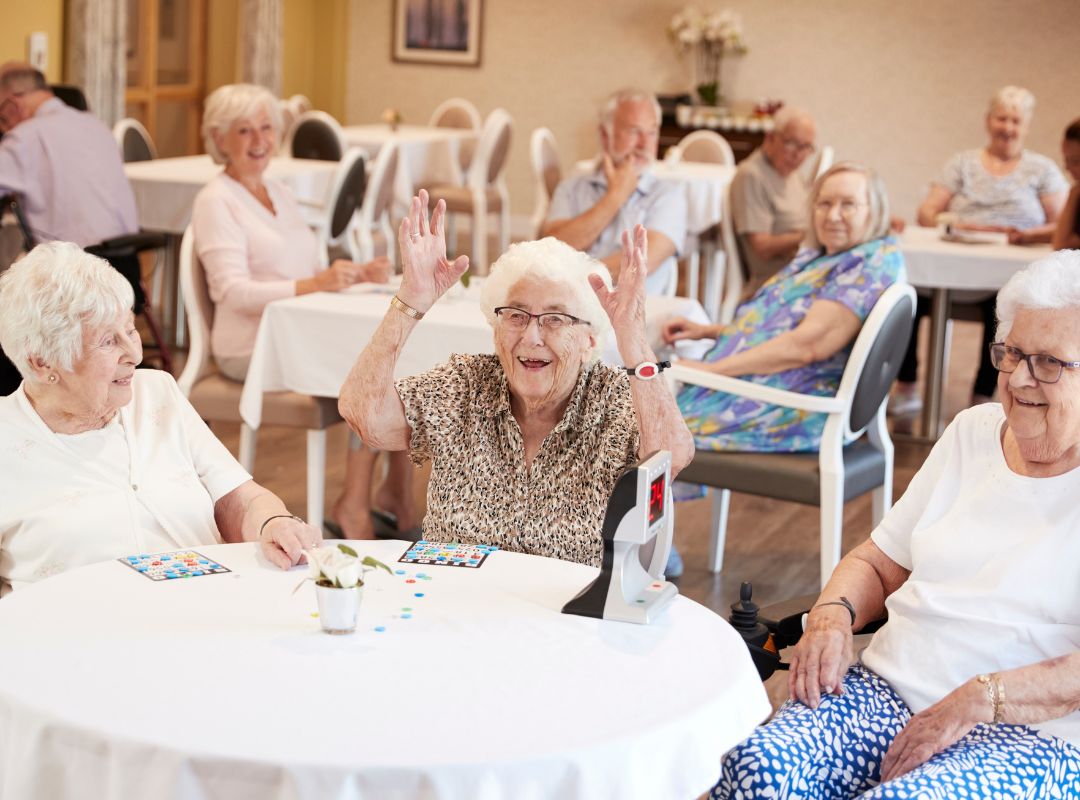
Senior events are organized social, recreational, educational, wellness, or family activities that help older adults stay involved in community life. The best options match a person’s interests, abilities, comfort level, and preferred amount of interaction, giving them meaningful reasons to connect, learn, move, and enjoy time with others.
Finding the right activity can take some thought. A large celebration may appeal to one person, while another may feel more comfortable in a weekly book club or a relaxed shared meal. At Franklin Court in Quakertown, senior living activities include book clubs, trivia nights, educational speakers, fitness classes, dining, and opportunities for reflection and personal improvement.
What Are Senior Events?
Senior events are planned opportunities for older adults to socialize, learn, move, relax, or spend time with family. They may be one-time gatherings, recurring programs, organized clubs, shared meals, or informal activities held in a community setting.
An event may be a senior luncheon or educational presentation, while an ongoing activity could be a weekly book club. Senior clubs bring people together around a shared interest and allow relationships to grow over time. The strongest activity schedules offer several choices because older adults do not all enjoy the same settings, topics, or levels of participation.
The Best Senior Events Support More Than One Part of Life
Well-matched senior events can support social connection, movement, learning, personal growth, and family relationships. Their value often comes from how well the activity fits into the person’s life, not simply how entertaining it looks on a calendar.
Social connection deserves particular attention. The Centers for Disease Control and Prevention reports that nearly one-quarter of older adults experience social isolation. Regular opportunities to gather can help older adults maintain contact with others and become part of a familiar group.
Social Connection
Book clubs, trivia nights, shared dining, and other group gatherings give people a reason to talk and become familiar with one another. An activity can make introductions feel easier because participants already have a shared topic or experience.
Movement and Physical Participation
Fitness activities can encourage mobility, balance, flexibility, and strength. The CDC’s physical activity guidance for older adults recommends at least 150 minutes of moderate-intensity activity each week, along with muscle-strengthening and balance activities. A person’s health, comfort, and abilities should guide how they participate.
Learning and Personal Growth
Educational speakers, reading groups, and reflective activities allow older adults to explore ideas and share their perspectives. These events can feel purposeful without feeling like a formal class.
Family Relationships
Shared meals, games, discussions, and community gatherings can give families something enjoyable to do together. These experiences can create more natural conversation than visits focused only on appointments, household tasks, or care concerns.
Popular Types of Senior Events and Who May Enjoy Them
There is no single list of senior events that suits everyone. Some older adults enjoy lively group gatherings, while others prefer quieter activities with a small number of familiar people.
The table below can help you connect different event types with a senior’s interests and preferred social setting.
| Type of senior event | Examples | May appeal to seniors who enjoy |
| Social gatherings | Senior luncheons, shared dining, community conversations | Meeting people in a relaxed setting |
| Interest-based groups | Book clubs and senior clubs | Familiar hobbies and recurring conversations |
| Games and recreation | Trivia nights | Friendly competition and group participation |
| Educational events | Guest speakers and learning sessions | New ideas and thoughtful discussion |
| Fitness activities | Mobility, balance, flexibility, and strength classes | Structured movement at a suitable level |
| Reflective activities | Self-reflection and personal improvement | Personal growth and quieter participation |
| Family-centered events | Shared meals, games, and celebrations | Spending purposeful time with relatives |
Recurring activities can be especially valuable for someone who wants to develop friendships, while one-time events may be better for trying something new without making a longer commitment.
Reading groups are one example of an activity that combines personal interests with social connection. Families can explore how book clubs for seniors support conversation and active aging when deciding whether a reading group might be a comfortable place to begin.
How to Choose Activities a Senior Will Actually Want to Attend
The right activity fits the person, not simply their age. Start with what the senior already enjoys and how they prefer to spend time with others. Someone who has always enjoyed reading may respond well to a book club, while a person who enjoys friendly competition may feel more at home at trivia night.
Four factors can make the choice easier:
- Interest: Does the activity connect with a hobby, topic, or experience the person enjoys?
- Access: Can the senior join comfortably based on mobility, transportation, timing, and location?
- Atmosphere: Would a small, relaxed group feel better than a large or highly structured event?
- Rhythm: Would the person prefer a weekly routine, an occasional gathering, or a mixture of both?
A senior who declines one invitation may not dislike socializing. The group size, time of day, activity format, or topic may simply be a poor fit. A different option can feel much more inviting.
You can also explore Franklin Court’s Lifestyle Assessment while thinking about the routines and social setting that may suit you or your family member.
Where Can Seniors Meet New Friends?
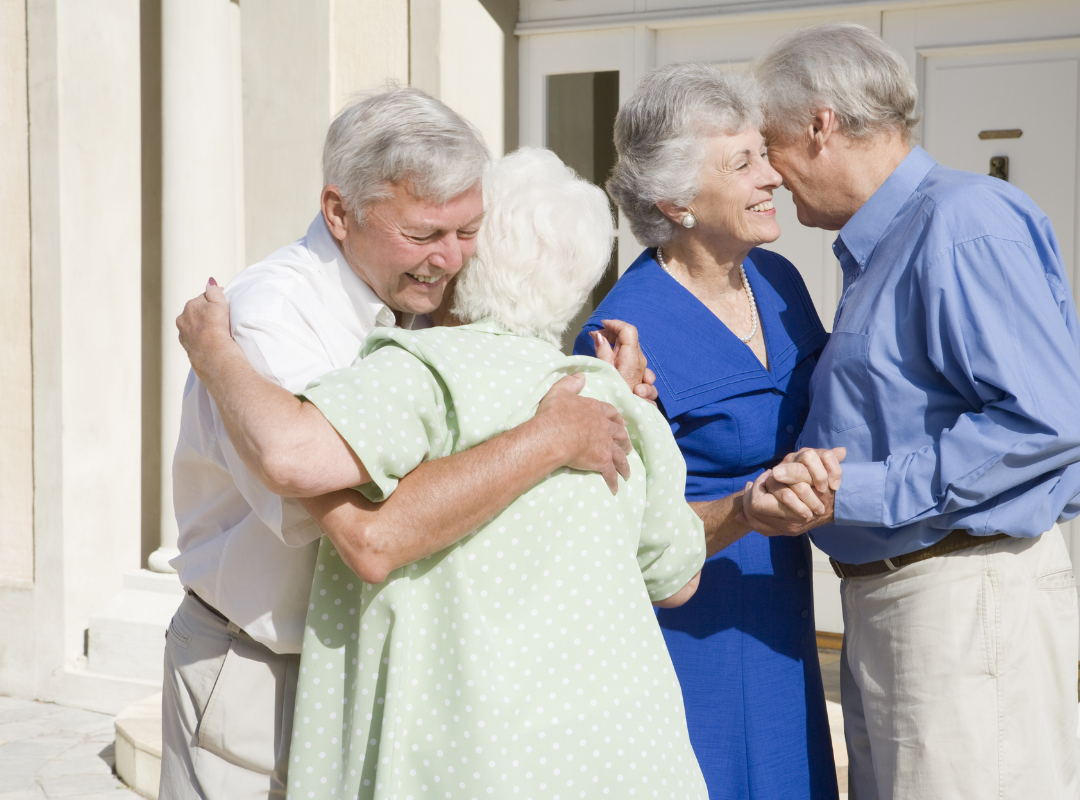
Seniors often meet new friends through activities where people gather around a shared interest. Book clubs, senior clubs, fitness classes, senior luncheons, educational programs, community dining, senior centers, and faith or civic groups can all create opportunities for conversation.
Shared-interest activities can make the first interaction less awkward because there is already something to discuss. A book, trivia question, speaker topic, or meal can provide a natural starting point.
For someone who feels hesitant, begin with a smaller gathering and review what to expect beforehand. A family member may also help with transportation or attend an appropriate first event when invited. These steps can make participation easier while still allowing the older adult to decide what feels right.
How Families Can Participate Without Taking Over
Families can support social engagement by listening to what the older adult wants and helping remove practical barriers. You might review activity options together, help with transportation, or join a family-friendly gathering when invited.
Try to notice which experiences your family member talks about afterward or chooses to attend again. A familiar book club, shared meal, or trivia group may become more meaningful than a large special event because it creates continuity and repeated contact.
Family visits can also feel more natural when they include an enjoyable activity. Sharing a meal or attending an event gives everyone a common focus and can take pressure off the conversation.
What to Look for in Senior Living Activities
A strong senior living activity program offers variety, choice, and opportunities for genuine connection. The number of items on a calendar matters less than whether the activities reflect different interests and provide accessible ways to participate.
As you review a community’s approach, consider:
- Does the schedule include social, educational, fitness, and reflective options?
- Are there recurring programs where relationships can develop?
- Can residents decide how and when they participate?
- Are mobility, access, and different comfort levels considered?
- Can families review an activity calendar or observe an activity during a visit?
Families may compare activity programs across nursing homes, Personal Care communities, and other senior living settings. The care type matters because services and daily routines can differ. Franklin Court provides Personal Care, so families should evaluate its activities within that specific setting.
The National Institute on Aging explains that older adults may face a greater risk of loneliness and social isolation as health, mobility, and social connections change. Available activities alone do not guarantee participation, so families should look for recurring, accessible opportunities that the older adult genuinely wants to attend.
If your family is considering both social opportunities and daily support, you can explore Franklin Court’s Care Assessment as you think about your current needs.
Senior Events at Franklin Court in Quakertown
Franklin Court offers Personal Care in Quakertown, Pennsylvania, with activities that support different interests and participation styles. Residents can enjoy book clubs, trivia nights, educational speakers, fitness classes focused on mobility, balance, flexibility, and strength, and opportunities for self-reflection and improvement.
The community’s amenities and activity options also include dining and shared areas where residents can socialize. Some connections begin during a planned event, while others grow through everyday conversations over meals or time spent in a common space.
Weekly housekeeping and laundry, community upkeep, dining, and transportation assistance for medical appointments can reduce some routine responsibilities. This can leave more room in the day for residents to take part in preferred activities, enjoy shared spaces, and connect with others.
See Whether Franklin Court’s Social Lifestyle Feels Right for You
The best senior events are not determined by the longest calendar. A good fit depends on whether the activities reflect what you or your family member will feel comfortable joining and enjoy returning to. Reviewing the choices is helpful, but seeing the setting can make the decision feel clearer.
You can schedule a visit to Franklin Court to explore the community areas and ask about book clubs, trivia nights, educational speakers, fitness classes, dining, and other parts of daily life. To ask a few questions before planning your visit, call Franklin Court at 215-538-7050.
Frequently Asked Questions
Where do seniors go to meet new friends?
Seniors often meet new friends through recurring activities where people share a common interest. Book clubs, senior clubs, fitness classes, luncheons, educational programs, community dining, senior centers, and faith or civic groups can all provide opportunities to connect. Recurring groups may make friendship-building easier because participants see familiar faces over time. Smaller activities may feel more welcoming for someone who is uncomfortable in a large gathering.
What are the best activities for seniors?
The best activities for seniors match the person’s interests, abilities, comfort level, and preferred amount of social interaction. Good options may include book clubs, trivia, shared meals, educational programs, fitness classes, and reflective activities. One person may enjoy an active group, while another prefers a quiet discussion or small gathering. Personal preference matters more than choosing the activity that seems most popular.
What are all the senior events?
Senior events can include social gatherings, senior luncheons, interest-based clubs, games, educational speakers, fitness classes, family events, shared dining, and reflective activities. Events may be held once or offered as recurring programs. There is no complete list that suits every person or community. The most useful schedule offers different types of participation so older adults can choose what feels meaningful.
What do 70-year-old people do for fun?
People in their 70s enjoy many of the same activities as adults of other ages, depending on their interests and abilities. They may enjoy reading groups, trivia, dining with friends, educational events, fitness classes, family gatherings, or personal hobbies. Age alone does not determine what someone will find enjoyable. The best choice reflects the individual’s personality, comfort, and preferred pace.