215.538.7050
 Quakertown, PA


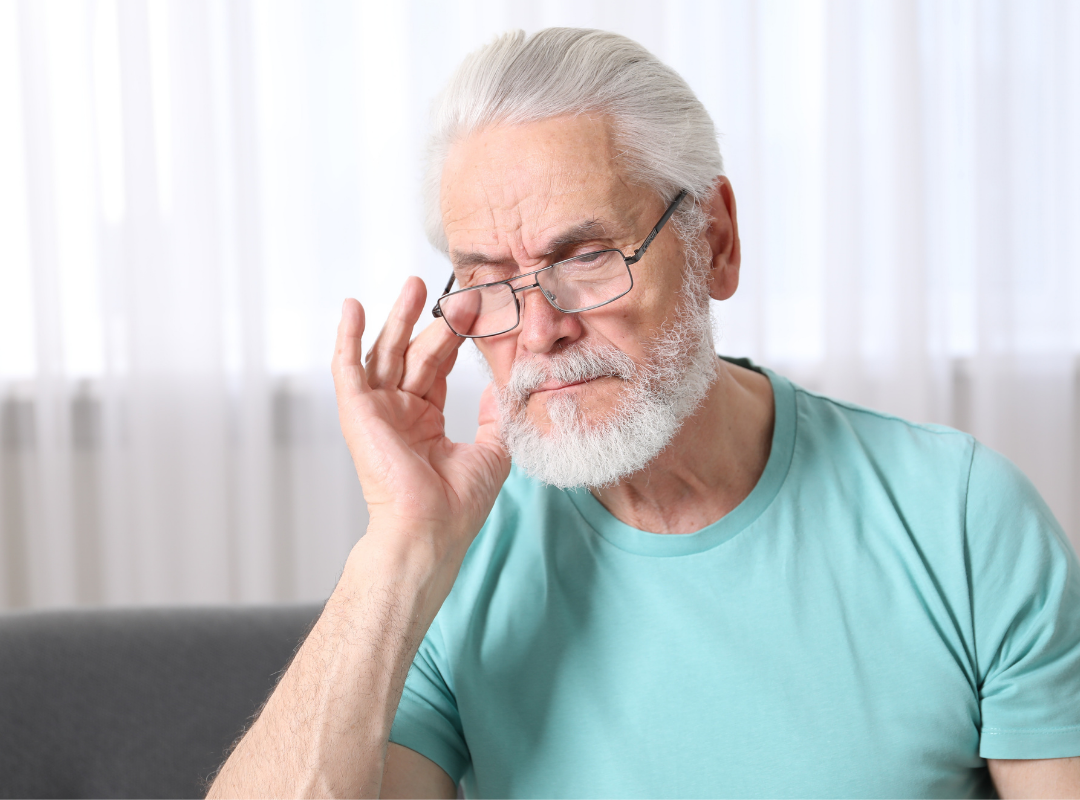
Decreased visual acuity means your vision is becoming less sharp, making it harder to see details clearly up close or far away. For older adults, this can affect reading, walking safely, recognizing faces, enjoying activities, and feeling confident with daily routines.
At Franklin Court in Quakertown, PA, families often think about vision changes alongside daily support, safety, and connection. If you or someone you love is noticing changes in eyesight, this can help you understand what may be happening and what kind of support may make life feel more manageable.
What Decreased Visual Acuity Means in Older Adults
Decreased visual acuity refers to reduced clarity of vision. You may still be able to see, but fine details can become harder to read, recognize, or navigate, especially in daily tasks like reading mail, watching TV, or moving through familiar spaces.
For seniors, this may connect with common elderly eye problems, average eyesight by age, blurred vision, or difficulty with near vision. The Cleveland Clinic’s low vision guidance notes that 20/70 may be classified as moderate visual impairment, while 20/200 or above may qualify as severe low vision.
Visual Acuity vs. Low Vision
Visual acuity measures how sharp your sight is, often using numbers like 20/20, 20/70, or 20/200. Low vision is broader and may describe vision challenges that affect daily life even with glasses, contacts, or other corrections.
Common Signs Families May Notice First
Vision changes often show up in small daily moments before they become a larger concern. A senior may hold reading material closer, struggle with menus or medication labels, hesitate while walking, or ask why their eyesight is getting worse even with glasses.
Families may also notice a loved one avoiding hobbies, group settings, or evening activities. The Cleveland Clinic’s overview of common age-related eye problems lists symptoms such as blurred vision, glare sensitivity, and difficulty reading small print. For a closer look at related senior eye concerns, see Common Eye Problems in Older Adults: What Are the Signs to Watch?.
When Vision Changes Can Affect Safety and Independence
Vision changes can affect safety when they make daily movement, reading, or personal routines harder to manage. A decrease in visual clarity may make steps, glare, hallways, labels, or unfamiliar spaces feel more stressful.
At Franklin Court, Personal Care support may help seniors who benefit from a steadier daily routine. Transportation assistance for medical appointments, weekly housekeeping and laundry, dining, and community areas for socializing can all support a more comfortable day.
A Real-Life Scenario
A senior who once enjoyed social activities may begin staying in their room because reading signs, navigating spaces, or walking in certain lighting feels harder. In a setting with supportive routines, community areas, and transportation assistance, daily life can feel less overwhelming.
Healthy Vision Habits That Support Aging Eyes
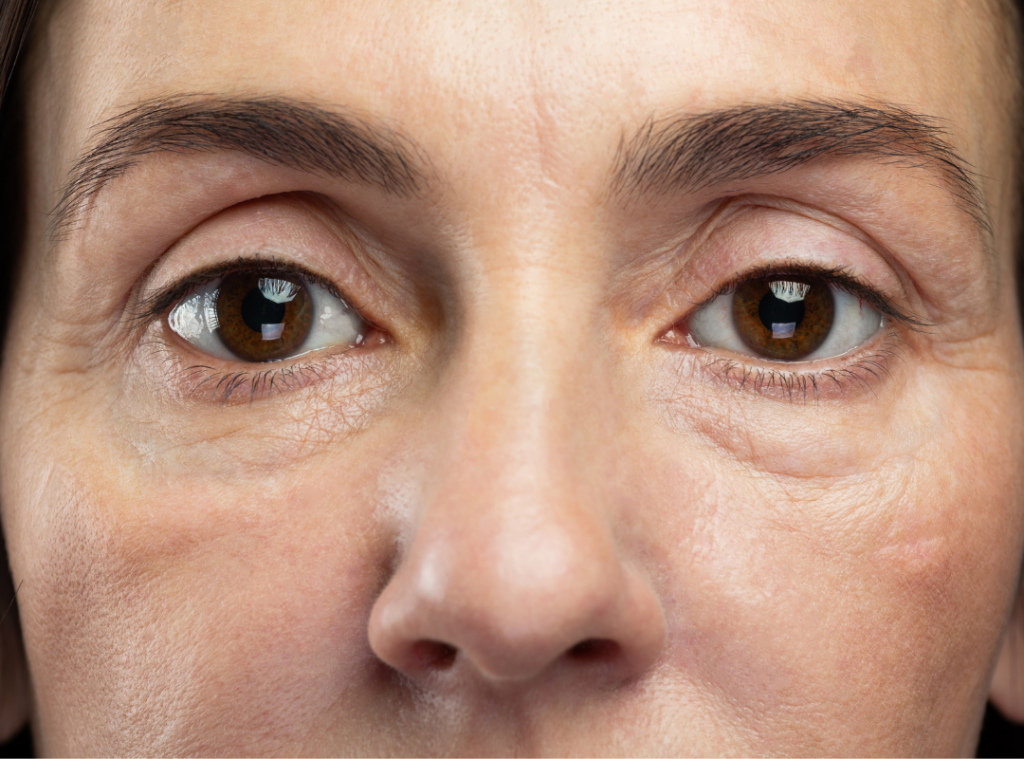
Healthy vision habits can support aging eyes, but they should not be viewed as a guaranteed way to reverse aging eyesight. A better goal is to protect eye health, notice changes early, and create daily routines that support function and confidence.
The American Optometric Association’s senior vision guidance explains that vision can change in the senior years and that proper eye care can help support quality of life. For many seniors, helpful habits may include regular eye care, safer lighting, movement, balanced meals, and staying engaged through activities.
Comparing Vision-Related Needs and Senior Support Options
Vision-related changes are easier to understand when families connect what they notice with the kind of support that may help. This can make conversations feel more focused and less emotional.
| Vision-Related Concern | What Families May Notice | Support That May Help |
| Reading is harder | Trouble with menus, mail, labels, or books | Clear routines, organized spaces, and support with daily tasks |
| Walking feels less steady | Hesitation, worry about steps, or concern with glare | Clean shared spaces and fitness classes for mobility, balance, flexibility, and strength |
| Appointments are harder to manage | Missed visits or transportation concerns | Transportation assistance for medical appointments |
| Social life is shrinking | Less interest in activities or group settings | Book clubs, trivia nights, dining, and community areas |
| Daily upkeep feels harder | Laundry, cleaning, or routines become tiring | Weekly housekeeping, laundry, and community upkeep |
How Franklin Court Supports Daily Confidence in Quakertown, PA
Franklin Court offers Personal Care at 1660 Park Ave. in Quakertown, PA. For seniors experiencing vision-related changes, the right environment may help reduce daily stress by supporting routines, connection, and practical needs.
Relevant community amenities include transportation assistance for medical appointments, dining, community areas for socializing, weekly housekeeping and laundry, fitness classes, and serene views in the central courtyard. These features can help seniors stay involved while receiving support that fits daily life.
Choosing Support That Helps Life Feel Manageable Again
Decreased visual acuity can affect more than eyesight. It may shape how confident you feel reading, walking, joining activities, or keeping up with everyday routines. With the right support, seniors and families can make thoughtful decisions before daily life feels too difficult.If vision changes are making home life feel harder, Franklin Court in Quakertown, PA offers Personal Care in a welcoming setting with helpful amenities and social connection. You can schedule a tour, contact us with questions, or call 215-538-7050 to talk through what may feel right for your family.
Frequently Asked Questions
Which fruit is best for the eyes?
No single fruit is best for everyone’s eyes, but fruits rich in vitamins and antioxidants may support overall eye health. Many people think of oranges, berries, and other colorful fruits as part of a balanced diet. Food alone cannot reverse vision loss or replace professional eye care. If eyesight is changing, regular eye exams and daily safety support matter too.
Is 20/30 visual acuity bad?
20/30 visual acuity usually means vision is slightly less sharp than 20/20. It does not always mean something serious is happening, but it depends on your symptoms, eye health, and whether the number has changed over time. Some people function well with 20/30 vision. An eye care professional can explain what it means for your daily life.
What is visual acuity between 20 70 and 20 400?
Visual acuity between 20/70 and 20/400 may suggest a more significant level of visual difficulty. It can affect reading, mobility, recognizing details, and everyday safety. The impact depends on the person, the cause, and whether vision can be improved with treatment or support. If this range affects daily life, it should be discussed with an eye care professional.
Which is worse, vision 20/200 or 20/400?
Vision 20/400 is generally worse than 20/200. The second number shows how far away a person with typical vision may see what the individual sees at 20 feet. With 20/400 vision, a person sees at 20 feet what someone with typical vision may see from 400 feet. This level of vision difficulty can affect daily routines and should be reviewed with an eye care professional.