215.538.7050
 Quakertown, PA



Understanding common eye problems in older adults is important for maintaining independence and quality of life. At Franklin Court in Quakertown, Pennsylvania, Personal Care services support residents as they manage age-related changes, including vision concerns. This guide explains the most common eye disease in older adults, early warning signs, and what families should watch for. It also shares practical ways to respond to changes in older adults, such as sudden blurred vision.
What Are Common Eye Problems in Older Adults?
Common eye problems in older adults include conditions like cataracts, glaucoma, age-related macular degeneration, and dry eye. These conditions often develop gradually and can affect clarity, depth perception, and daily activities. Early detection and support can help older adults manage symptoms and maintain independence.
What Are the 4 Most Common Eye Problems?
Many families ask, what are the 4 most common eye problems affecting seniors. The answer typically includes conditions that affect vision clarity and eye health over time.
- Cataracts – Clouding of the eye’s lens
- Glaucoma – Damage to the optic nerve
- Macular degeneration – Loss of central vision
- Dry eye – Reduced tear production
These conditions are among the many common eye diseases that affect aging adults. A CDC study found that 13.6% of adults age 65 and older reported vision impairment, which helps explain why regular eye exams and early support matter.
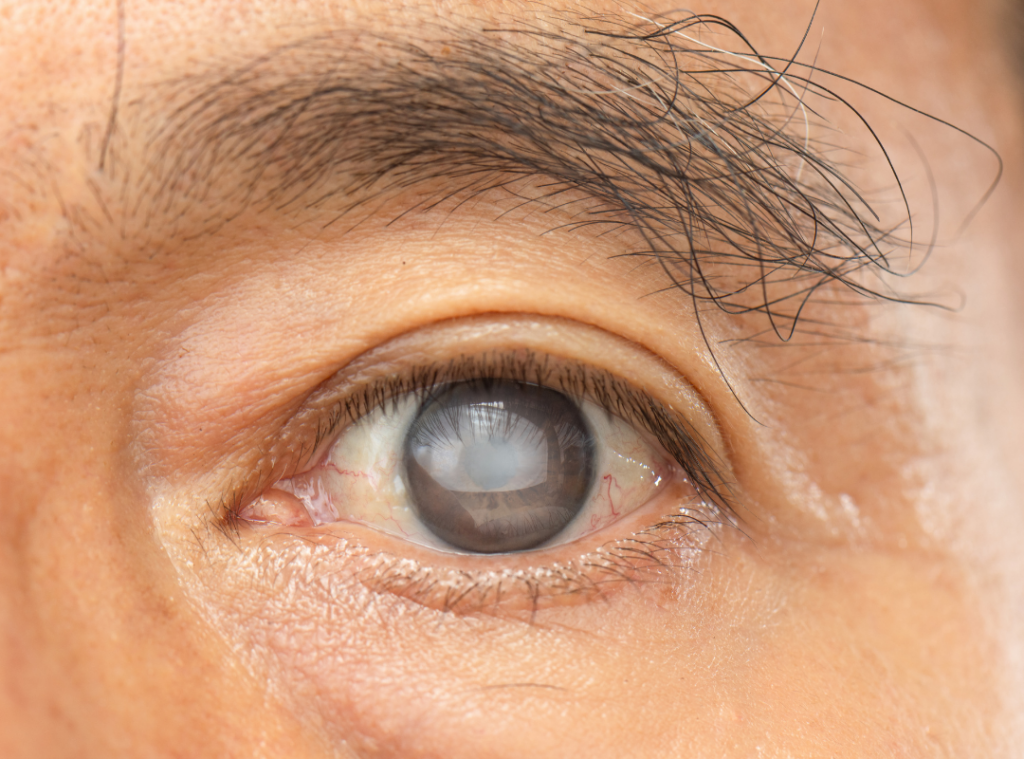
Signs of Aging Eyes to Watch For
Recognizing the signs of aging eyes can help families act early. Vision changes may be subtle at first but can become more noticeable over time.
Common signs include difficulty reading small print, increased sensitivity to light, trouble seeing at night, and slower adjustment to changing light levels. The National Institute on Aging notes that the risk for some eye diseases and conditions increases with age, and that regular eye exams help spot problems early.
Some elderly adults may also experience sudden blurred vision, which should be evaluated promptly. Cleveland Clinic also identifies presbyopia as a common age-related eye problem, which helps explain why age-related vision impairment is called presbyopia in many discussions of aging eyes.
List of Common Eye Diseases in Seniors
Understanding a broader list of common eye diseases can help families stay informed and proactive.
| Eye Condition | Description | Impact |
| Cataracts | Clouding of the lens | Blurred or dim vision |
| Glaucoma | Optic nerve damage | Gradual vision loss |
| Macular degeneration | Central vision decline | Difficulty reading or recognizing faces |
| Diabetic retinopathy | Damage to retinal blood vessels | Vision impairment |
Many families also search for a list of eye diseases with pictures to better understand symptoms before a medical appointment. For trusted medical information, the National Eye Institute’s eye conditions and diseases page and the National Institute on Aging’s aging and your eyes guide are helpful starting points.
Can You Reverse Aging Eyesight?
Many families wonder about how to reverse aging eyesight. In most cases, normal age-related vision changes are not fully reversible, but they can often be managed with regular eye exams, updated prescriptions, improved lighting, and treatment when needed. The National Institute on Aging recommends regular exams because some common eye diseases have few or no early symptoms.
This is one reason families often pay close attention to the most common eye disease in older adults and to changes such as sudden blurred vision in elderly loved ones. Early attention can make daily life safer and more manageable.
Supporting Vision Health in Daily Life
Daily support plays an important role in managing common eye problems in older adults. At Franklin Court, Personal Care services help residents maintain routines and adapt to changes in vision more safely. Franklin Court’s Levels of Care page states that the community offers Personal Care, and its amenities pages highlight daily support and engagement options for residents in Quakertown.
Residents can stay engaged through book clubs, trivia nights, and educational speakers. Fitness classes for mobility, balance, flexibility, and strength also support overall wellness. Dining, community areas for socializing, weekly housekeeping and laundry, and transportation assistance for medical appointments can make daily life easier for someone coping with the signs of aging eyes or other vision changes.
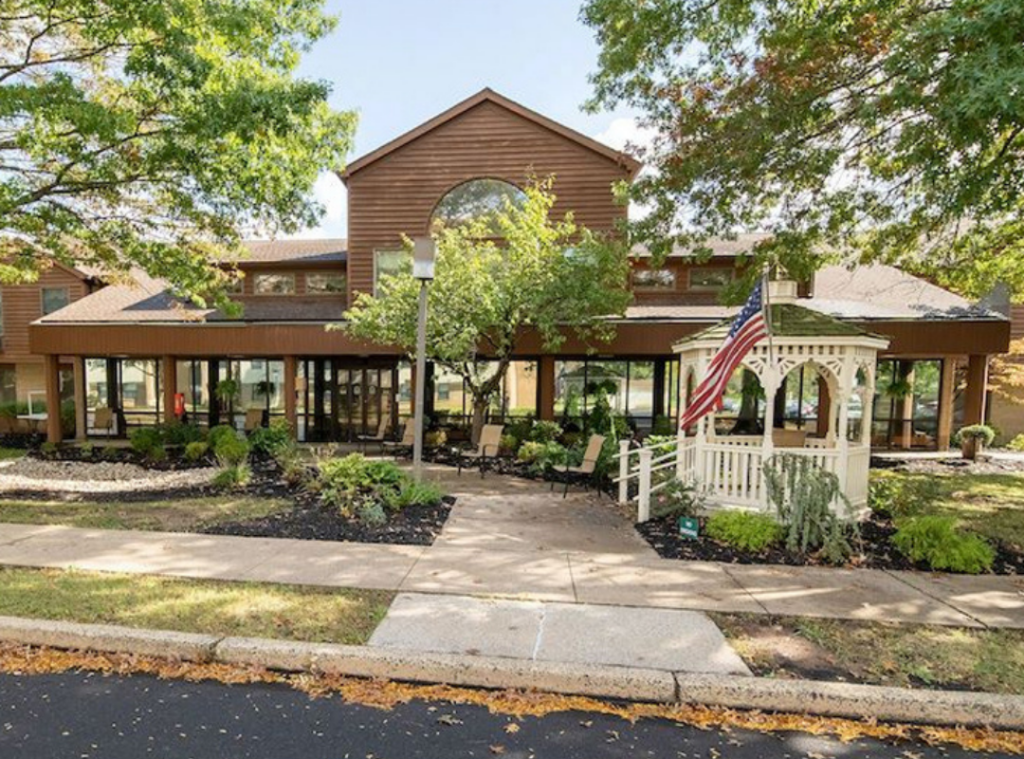
Franklin Court also offers serene views in its central courtyard, which can support a calm daily routine. You can explore these community features through the amenities at Franklin Court and learn more about support through the levels of care at Franklin Court.
About Franklin Court in Quakertown, PA
Franklin Court is located at 1660 Park Ave, Quakertown, PA 18951, and offers Personal Care services. The community provides support with daily living in a setting designed for comfort, routine, and connection. Its official contact number is 215-538-7050.
Residents benefit from dining, community areas for socializing, weekly housekeeping and laundry, transportation assistance for medical appointments, and wellness-focused activities. To learn more, visit the Franklin Court home page, browse the Franklin Court blog, or review the contact page.
Get Support for Common Eye Problems in Older Adults
Understanding common eye problems in older adults helps families take proactive steps toward better care. At Franklin Court, Personal Care services provide support to help residents manage daily routines and adapt to changes in vision.
If you are exploring options or looking for support related to the most common eye disease in older adults, Franklin Court is here to help.
Schedule a tour to experience the community firsthand.
Call us to speak with a knowledgeable team member.
Contact us to learn more about Personal Care services.
Frequently Asked Questions
What is the most common eye problem in the elderly?
Cataracts are often considered one of the most common eye problems in older adults. They develop when the eye’s natural lens becomes cloudy, which can make vision look blurry or dim. Other common concerns include glaucoma, macular degeneration, and dry eye. Regular eye exams can help detect these conditions early.
How to take care of your eyes as you age?
Caring for your eyes as you age includes scheduling regular eye exams, protecting your eyes from sunlight, staying physically active, and managing health conditions such as diabetes or high blood pressure. The National Institute on Aging also recommends healthy food choices and not smoking. These daily habits can support long-term eye health. Consistency matters more than quick fixes.
How to improve vision in 7 days?
Improving vision in seven days is usually not realistic for age-related eye conditions. However, better lighting, updated glasses, rest for strained eyes, and prompt attention to symptoms may help improve short-term comfort and function. Long-term improvement usually depends on proper diagnosis and ongoing care. It is best to speak with an eye care professional if vision changes suddenly.
What are serious eye conditions?
Serious eye conditions include glaucoma, age-related macular degeneration, diabetic retinopathy, and retinal problems that can threaten vision if not treated. Some of these conditions may have few early symptoms, which is why routine eye exams are important. Sudden vision changes should be treated as urgent. Early care can help protect vision and daily independence.