215.538.7050
 Quakertown, PA


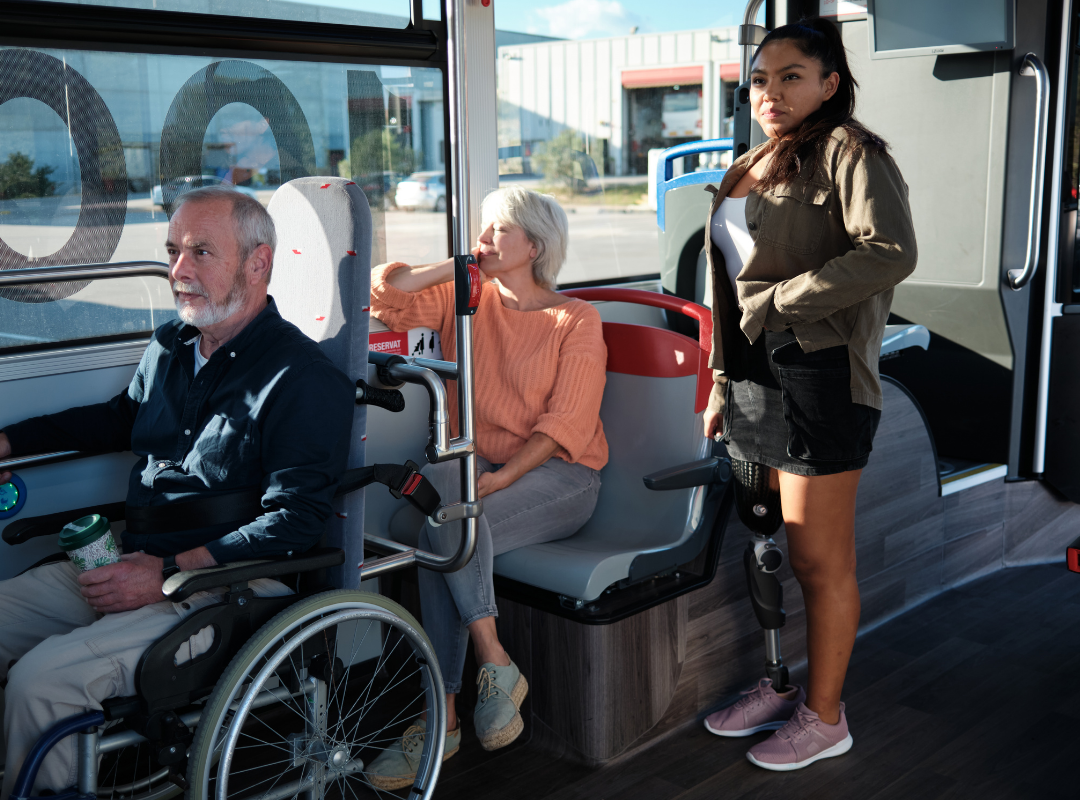
Senior transportation assistance helps older adults reach medical appointments, errands, social activities, and other important destinations when driving is no longer comfortable or practical. Options include public transit, senior ride programs, taxis, app-based rides, medical transportation, help from family, and transportation available through senior living communities.
Finding a ride is only part of the decision. You also need to know how the service is scheduled, what help the rider receives, and what happens if plans change. At Franklin Court in Quakertown, transportation assistance for medical appointments is one way residents can receive support with an important daily need.
What Is Senior Transportation Assistance?
Senior transportation assistance refers to ride services and related support that help older adults travel when they cannot or prefer not to drive. Depending on the provider, assistance may include scheduling a ride, helping the rider enter the vehicle, accommodating a mobility aid, or coordinating transportation with a family member.
The word “assistance” can mean different things from one provider to another. A service may offer transportation without helping the passenger leave home, enter a medical office, or return after an appointment. Asking what happens before, during, and after the ride can prevent confusion.
Curb-to-Curb, Door-to-Door, and Door-Through-Door Service
Curb-to-curb transportation generally requires the passenger to meet the vehicle outside. Door-to-door service may include help between the vehicle and the building entrance. Door-through-door service can provide added help beyond the entrance, though every provider defines these terms differently. Confirm the exact support offered before booking.
How Seniors Without a Car Can Get Around
Older adults without a car can use several transportation options, including public transit, senior shuttles, paratransit, taxis, volunteer driver programs, ride-hailing services, medical transportation, or help from relatives and friends. The National Institute on Aging also recommends exploring local buses, rideshare services, taxis, carpools, and scheduled community trips when driving becomes difficult.
Many families find that one service cannot cover every situation. A scheduled program may work well for regular appointments, while a relative or on-demand ride provides backup when plans change. Start by thinking about the trip itself:
- Where does the senior need to go?
- How often is transportation needed?
- Can the trip be scheduled in advance?
- Is help needed outside the vehicle?
- Must a walker or another mobility aid travel with the rider?
This approach helps you search for senior transportation assistance near me based on actual needs, not simply whichever service appears first.
Senior Transportation Options Compared
No single transportation option is best for every senior. A suitable choice depends on the rider’s mobility, destination, comfort with technology, scheduling needs, and ability to travel without hands-on support.
| Transportation option | Often suited for | Scheduling style | Assistance to confirm | Limitation to consider |
| Family or friends | Occasional errands and visits | Coordinated personally | Depends on the driver | Availability may change |
| Public transportation | Independent riders familiar with local routes | Fixed schedule | Accessibility varies | Walking and route navigation may be needed |
| Paratransit or senior shuttle | Accessible or scheduled transportation | Usually reserved ahead | Mobility and door assistance | Service area and timing may be limited |
| Taxi | Occasional local rides | Phone or on demand | Usually limited | Vehicle experience may vary |
| Uber or Lyft | Flexible, on-demand travel | App-based | Must be confirmed | Changing drivers and technology may be challenging |
| Phone-assisted ride service | Riders who prefer not to use an app | Phone-based | Varies by provider | Availability differs by location |
| Medical transportation | Healthcare visits and certain mobility needs | Often booked ahead | Accessibility and assistance vary by provider and service type | Eligibility and service rules may apply |
| Senior living transportation | Transportation needs to be approved by the community | Coordinated by the community | Boarding, scheduling, and destination support | Limited to residents and approved trips |
The Federal Transit Administration’s Section 5310 Enhanced Mobility Program supports efforts to address the transportation needs of older adults and people with disabilities. Local transportation choices can still differ greatly by service area, provider, and rider eligibility.
How to Choose Safe and Reliable Transportation Assistance
Safe transportation should match the rider’s abilities, not just the destination. Before arranging a ride, consider whether the senior can wait outside, identify the correct vehicle, enter and exit without help, and manage the destination independently.
Match the Ride to the Senior’s Mobility
Ask whether the vehicle can accommodate the rider’s mobility aid and whether the driver provides physical assistance. A standard ride may be suitable for an independent passenger but may not meet the needs of someone who requires support between the door and the vehicle.
Confirm Scheduling and Service Boundaries
Find out how far ahead the ride must be booked, what happens if an appointment runs late, and whether return transportation is arranged separately. It also helps to ask about cancellation policies, recurring rides, geographic limits, and same-day availability.
Ask How Safety and Communication Are Handled
Families should understand how drivers are screened, how the passenger identifies the correct vehicle, and whom to contact if the driver is delayed. Useful questions include:
- Can a family member follow or receive updates about the trip?
- What happens after a missed pickup?
- Is customer support available during the ride?
- Can a companion travel with the senior?
- How are schedule changes handled?
These details matter because a ride that works on paper may still create stress if the passenger is left unsure about where to wait or how to return home.

Uber, Lyft, and App-Based Rides for Seniors
Uber and Lyft can provide flexible transportation for older adults who can travel independently and safely use a standard passenger vehicle. They may work well for someone who is comfortable using an app and managing pickup and drop-off without guaranteed physical help.
Uber offers senior accounts and Simple Mode in the United States. These features include larger text, fewer booking steps, saved destinations, and the option for a family organizer to request, manage, pay for, and track rides. These features can make the app easier to use, but they do not automatically turn a standard ride into an assisted transportation service.
Is Uber or Lyft Better for a Senior?
Neither Uber nor Lyft is automatically better for every older rider. Compare how easily the senior can book, identify, and complete a ride in their area. The better choice is the one the rider can use safely and confidently.
Families should also have a backup plan. Driver availability and pickup times may change, especially when a ride is needed at a specific time for an appointment.
Plan Transportation Around Daily Needs, Not Just Medical Appointments
Transportation affects more than access to healthcare. It also shapes a person’s ability to visit family, complete errands, maintain routines, attend activities, and stay connected to the community.
This matters because a transportation plan that covers only occasional appointments may still leave gaps in everyday life. Think about which destinations matter most, how often the senior wants to leave home, and whether most trips are planned or spontaneous.
Federal Highway Administration data shows that more than 54.3 million licensed drivers in the United States were age 65 or older in 2024. These numbers show why transportation planning should support individual ability and changing needs, not assumptions based on age alone. You can review the Federal Highway Administration’s 2024 licensed-driver data for the full age-group breakdown.
Giving up a car can feel like giving up privacy or control. A thoughtful plan can preserve choice by giving the senior more than one dependable way to reach the people, places, and activities that matter.
When Transportation Challenges Point to Broader Support Needs
Transportation may be one concern within a larger change in daily life. A senior might also be having difficulty keeping appointments organized, preparing regular meals, managing household responsibilities, completing laundry, or staying involved in social activities.
A transportation problem alone does not mean someone needs Personal Care. Look at the full pattern. Are several tasks becoming harder? Is coordinating appointments taking more time for the family? Is the senior staying home because arranging each trip feels overwhelming?
Franklin Court’s Care Assessment can help families consider transportation alongside other daily support needs. You may also find helpful guidance in Caring for Aging Parents: Care Tips Families Can Trust Daily, especially if you are balancing transportation with other caregiving responsibilities.
Transportation Assistance at Franklin Court in Quakertown, PA
Franklin Court is located at 1660 Park Ave. in Quakertown, Pennsylvania. The community provides Personal Care and transportation assistance for medical appointments.
Residents can also access dining, weekly housekeeping and laundry, fitness classes, book clubs, trivia nights, educational speakers, an on-site salon and barber, and community areas for socializing. These community amenities can make it easier to enjoy meals, activities, social time, and helpful services without arranging transportation for every part of the day.
Families should ask how transportation for medical appointments is scheduled, how much notice is needed, what destinations are included, and what help is provided while boarding. Clear answers can help you understand how the service would fit a resident’s medical schedule and mobility needs.
Take the Next Step Toward a More Dependable Routine
The right senior transportation assistance plan should support safety, comfort, and continued choice. Compare options based on the rider’s actual needs, confirm exactly what help is included, and keep a backup available for appointments or unexpected schedule changes.
To learn how transportation assistance for medical appointments fits into life at Franklin Court, schedule a visit, contact the community, or call 215-538-7050. A conversation can help you clarify the details and decide whether Personal Care and the community’s available support match your family’s needs.
Frequently Asked Questions
What is Uber for seniors called?
Uber offers a feature called a senior account, along with an app setting called Simple Mode. Senior accounts can be connected to an Uber Family profile so a family organizer can help request, pay for, manage, and track rides. Simple Mode uses larger text, fewer choices, and a simplified booking process. Availability and features should be checked in the rider’s location.
How do seniors without a car get around?
Seniors without a car can use public transportation, paratransit, senior shuttles, taxis, ride-hailing services, volunteer driver programs, medical transportation, or rides from friends and family. Senior living communities may also provide transportation for approved needs. The right option depends on mobility, scheduling, location, and how much assistance the rider needs. Many seniors benefit from having both a regular transportation option and a backup.
Which is better for seniors, Uber or Lyft?
Neither Uber nor Lyft is best for every senior. The better choice depends on local availability, app usability, vehicle needs, family monitoring preferences, and whether the rider can manage pickup and drop-off independently. Compare estimated pickup times and available features in the rider’s area. A specialized service may be more suitable when hands-on assistance is needed.
How much does an Uber ride cost for seniors?
Uber does not charge a fixed fare for all senior riders. The estimated cost depends on the trip distance, travel time, pickup location, demand, and selected ride type. Riders can review the fare estimate before confirming a trip. A senior account may simplify booking, but it does not guarantee a standard senior discount.