215.538.7050
 Quakertown, PA


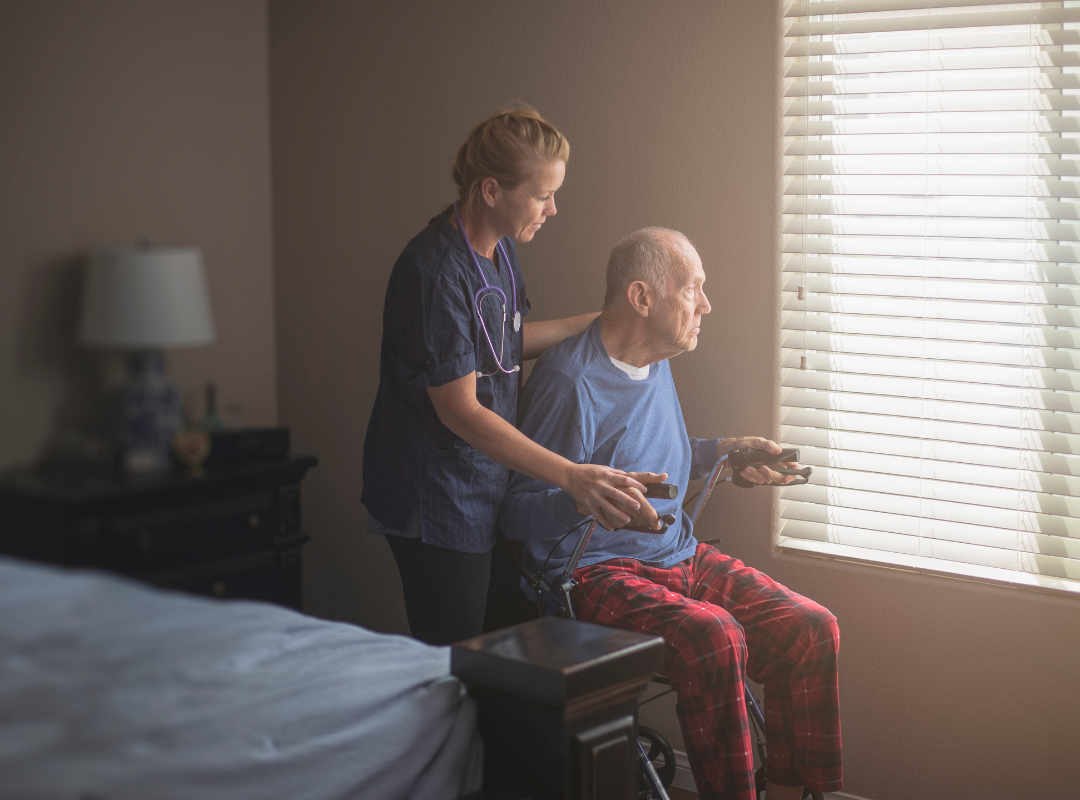
If you have been searching what are personal care homes, you are likely trying to find a safe, supportive place where an older adult can get help with daily routines while still enjoying privacy, choice, and community. A personal care home is designed for people who do not need full-time medical care, but do benefit from hands-on support, supervision, and a structured environment. In Pennsylvania, these communities are regulated and licensed to protect resident rights, safety, and quality of care.
If you are exploring local options, Franklin Court in Quakertown, PA, offers Personal Care in a welcoming setting. You can visit the Franklin Court home page or explore our Levels of Care to see how support is structured.
What Is a Personal Care Home?
So, what is a personal care home in plain terms? It is a residential community that provides housing, dining, and assistance with daily activities such as dressing, bathing, and mobility support, plus supervision to ensure safety and maintain routines. In Pennsylvania, Personal Care Home regulations and Personal Care Home Licensing are overseen by the Department of Human Services (DHS), which sets standards for resident care, staffing, and safety. For a simple, official overview, see Pennsylvania’s DHS guide to personal care homes.
For families who keep asking what are personal care homes, the key point is this: personal care can bridge the gap between living fully independently and needing a higher level of support. It is often a good fit for seniors who want a social community and supportive oversight.
How Personal Care Supports Daily Life at Franklin Court
At Franklin Court, the focus is on personal care that supports daily living while encouraging independence, engagement, and comfort. Residents can enjoy life-enrichment opportunities such as book clubs, trivia nights, educational speakers, fitness classes for mobility, balance, flexibility, and strength, and self-reflection and improvement through structured programming.
Everyday life is also supported with practical comforts and community features such as dining, community areas for socializing, weekly housekeeping and laundry, community upkeep and cleaning, transportation assistance for medical appointments, and serene views in our central courtyard. Franklin Court also offers complimentary WIFI to stream TV and movies, utilities covered, cable in your room to watch the news, telephone hookup to talk to your friends and family, pet-friendly rooms, and an on-site salon and barber to maintain a clean appearance.
To learn more about programs and daily life, see our Life Enrichment and Wellness Services pages.
Personal Care Home vs Assisted Living: What’s the Difference?
Many families compare personal care home vs assisted living while trying to match care needs with the right environment. In Pennsylvania, both settings are licensed by DHS, but they fall under different regulations (personal care homes under 55 Pa. Code Chapter 2600; assisted living residences under Chapter 2800).
Here is a simple way to compare a personal care home vs assisted living:
| Topic | Personal Care Home | Assisted Living |
| Primary focus | Support with daily activities and supervision | Support with daily activities, often structured for broader aging-in-place needs |
| PA licensing framework | DHS personal care home regulations (Chapter 2600) | DHS assisted living regulations (Chapter 2800) |
| Best for | Seniors who need consistent help with routines but not ongoing medical care | Seniors who may need a higher level of coordinated support over time |
If you are weighing which level is right, starting with an assessment can make the decision clearer. You can begin with Franklin Court’s care assessment.

Personal Care Home Requirements and What Families Should Ask
When comparing communities, it helps to understand Personal care home requirements and how they protect residents. Pennsylvania’s Personal care home regulations cover areas such as resident rights, staffing, safety procedures, and documentation standards. Knowing the basics of Personal Care Home Licensing in PA can also help you ask better questions during a tour.
Here are a few helpful questions, guided by Personal Care Home requirements:
- How are care needs assessed and updated over time?
- What support is available for daily routines and personal care needs?
- How does the community communicate updates with families?
- What does a typical day look like (meals, activities, and social time)?
- How does the team support safety and consistent routines?
If you want to compare value and planning costs, you can also review Franklin Court’s cost comparison.
Personal Care Home Licensing in PA, Inspection Reports, and Oversight
In Pennsylvania, Personal Care Home Licensing in PA is overseen by DHS, and licensed personal care homes are inspected for compliance. According to Pennsylvania DHS, the department inspects each personal care home and assisted living residence annually and also investigates complaints and unusual incidents. This is one reason families often look for PA personal care home inspection reports and licensing history while researching options.
Using the PA Personal Care Home Directory and Other Public Tools
If you are early in your search, the Pa personal care home directory can be a helpful starting point. Pennsylvania DHS notes that the Human Services Provider Directory can be searched by zip code, county, and region to help you locate licensed personal care homes and assisted living residences. Using the Pa personal care home directory, along with tours and family conversations, can help you build a short list and confirm basics like licensing status.
If you are also considering lifestyle fit, you can try Franklin Court’s lifestyle assessment to help guide your next steps.
Schedule a Tour and Connect With Franklin Court
Choosing care can feel like a big decision, especially when you are still sorting out what are personal care homes and what level of support is truly needed. If you are exploring personal care in Quakertown, Franklin Court is here to answer questions, talk through options, and help you move forward with confidence.
Schedule a tour: Schedule a tour
Call us at 215-538-7050
Contact us: Contact Us
You can also explore updates and guidance in our blog resources.
Frequently Asked Questions
What is a personal care home in PA?
A personal care home in Pennsylvania is a licensed residential setting that provides housing, dining, and assistance with daily activities for adults who need support but not full-time medical care. In PA, Personal Care Home Licensing and Personal Care Home regulations are overseen by the Department of Human Services. That is why families often review requirements and licensing history when comparing providers. Many people use the PA Personal Care Home Directory to narrow down their options before scheduling tours.
What’s the difference between a PCA and a caregiver?
A PCA, or personal care aide/assistant, typically helps with hands-on daily living needs like bathing, dressing, grooming, and mobility support. A caregiver is a broader term that can include family caregivers, companions, and professionals who provide supervision, reminders, and help with routines. Duties can vary based on training and the care setting. If you are comparing a personal care home vs assisted living, ask how staff roles are structured and what support is included.
What is a PCH in healthcare?
In senior care, “PCH” often refers to a Personal Care Home. It is a residential option that supports daily living through assistance and supervision rather than hospital-level medical services. In Pennsylvania, PCHs are licensed and inspected under state rules, which is why families often review PA personal care home inspection reports and licensing history. If you want to confirm provider details during your research, the PA personal care home directory can help.
What does PCA do for the elderly?
A PCA helps older adults with day-to-day personal care tasks such as bathing, dressing, grooming, and safe movement. They may also provide reminders and supportive assistance to help someone stay on a routine. In a personal care home setting, PCA-type support is typically part of the overall care approach, alongside meals, activities, and a supervised environment. If you are reviewing Personal care home requirements, ask how care is personalized and how needs are reassessed.