215.538.7050
 Quakertown, PA


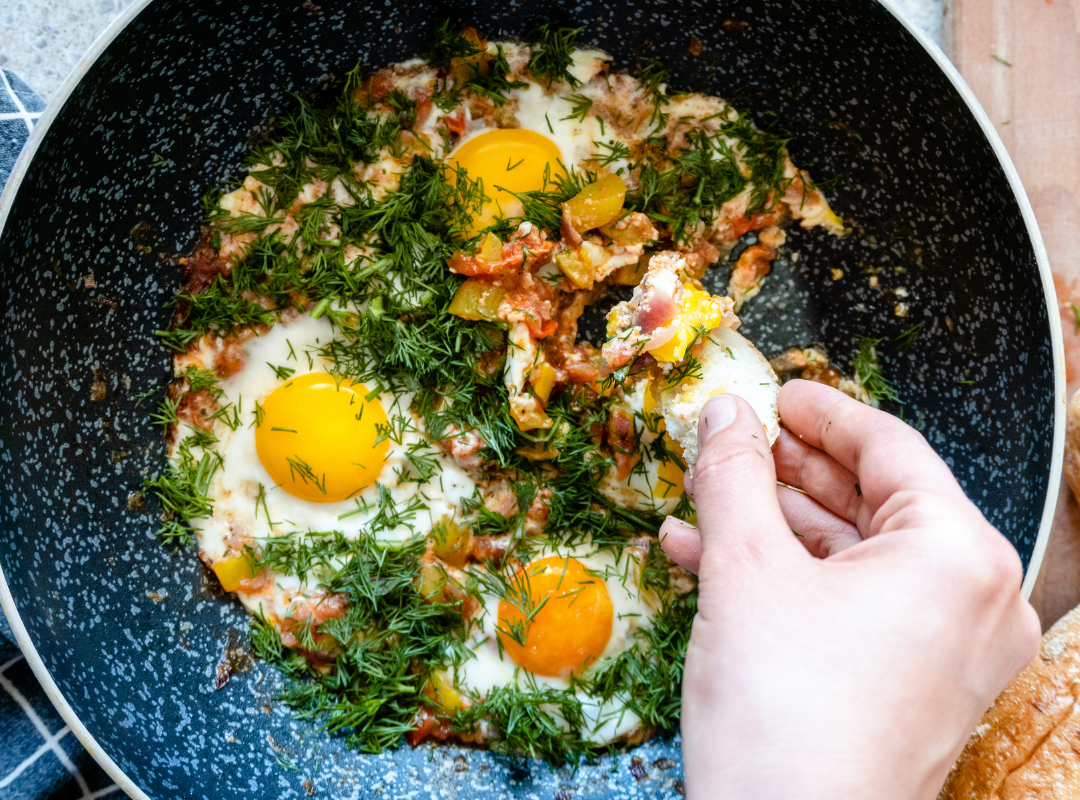
Soft food for elderly recipes should be moist, tender, nourishing, and easy to manage with limited chewing. Good choices include oatmeal, scrambled eggs, smooth soups, mashed vegetables, tender fish, soft pasta, yogurt, and beans prepared to match the person’s comfort and eating ability.
The right texture depends on why eating has become difficult. Chewing problems, missing teeth, recovery after surgery, and swallowing difficulties may require different adjustments. The meal ideas below can help you plan practical breakfasts, dinners, and make-ahead options while recognizing when professional guidance may be needed.
What Are Soft Foods for Older Adults?
Soft foods for older adults are moist, tender foods that require limited chewing and can be adjusted to match the person’s comfort and eating ability. They are not always liquid or fully pureed. Many familiar foods can remain recognizable while being cooked longer, mashed, finely chopped, blended, or served with added moisture.
A softer texture may help when an older adult has dental concerns, missing teeth, reduced chewing ability, fatigue during meals, or temporary discomfort after surgery. You may notice that your loved one takes longer to eat, avoids meat or raw vegetables, or leaves the toughest parts of a meal untouched.
Soft foods may also be considered when swallowing feels difficult. However, a food that is easy to chew is not automatically appropriate for someone with a swallowing disorder. Known or suspected swallowing problems should be discussed with a qualified healthcare professional.
How to Choose the Right Soft Food Texture
The best texture is one that the person can manage comfortably without excessive chewing, coughing, distress, or fatigue. A practical way to evaluate a meal is to look at tenderness, moisture, nutritional value, and how easily it breaks apart.
Before serving a new meal, consider whether it:
- Breaks apart easily with a fork
- Stays moist without becoming sticky
- Contains tough skins, seeds, bones, or gristle
- Remains soft after cooling or reheating
- Matches any professional texture recommendations
These checks can guide everyday meal preparation, but they do not replace individualized advice for a swallowing problem.
Chewing Problems and Missing Teeth
When chewing is the main difficulty, tender, mashed, minced, or finely chopped foods may be easier to eat. Scrambled eggs, oatmeal, yogurt, mashed vegetables, soft pasta, tender fish, and well-cooked beans can provide more variety than relying only on pudding or pureed foods.
An older adult with no teeth does not automatically need every meal blended. The suitable texture depends on gum comfort, dental appliances, jaw movement, and the ability to break food down safely. Foods should be tested for tenderness and adjusted based on what the person can manage without strain.
Swallowing Difficulties
Swallowing difficulty, also called dysphagia, involves trouble moving food, liquid, or saliva through the mouth and throat. The American Speech-Language-Hearing Association’s adult dysphagia guidance identifies possible signs such as ineffective chewing, extra time needed to eat, food remaining in the mouth, coughing, throat clearing, and changes in vocal quality during or after meals.
A food can feel soft in the mouth and still be difficult to swallow. Dry, sticky, crumbly, or mixed-texture foods may create concerns for some people, so follow any texture instructions provided by a healthcare professional.
Easy Soft Food for Elderly Recipes for Breakfast and Lunch
Easy soft food for elderly recipes can use familiar ingredients and simple preparation methods. The goal is to create meals that feel manageable while still offering variety from protein, fruit, vegetables, grains, dairy foods, or suitable alternatives.
Banana Oatmeal
Cook oatmeal until it becomes tender and smooth. Stir in mashed banana and enough milk or another suitable liquid to maintain a moist consistency.
The banana adds a familiar flavor without requiring much chewing. You can mash the oatmeal further if a smoother texture is easier to manage. Check the temperature and consistency before serving because oatmeal may thicken as it cools.
Soft Scrambled Eggs With Mashed Vegetables
Cook scrambled eggs gently so they remain soft rather than dry or rubbery. Serve them with well-cooked vegetables that have been mashed to a comfortable texture.
A small amount of suitable sauce or moisture can help keep the meal from becoming dry. This combination provides a simple protein source alongside vegetables and can work for breakfast or lunch.
Smooth Vegetable Soup
Cook vegetables until fully tender, then blend or mash them with broth until the soup reaches the desired consistency. Remove hard skins, seeds, or large pieces when these are difficult to manage.
Smooth soup can be prepared in portions for later meals. Serve it warm, not overly hot, and stir it before serving to maintain an even texture.
For broader meal-planning guidance, explore senior nutrition tips for healthy aging at home.
Soft Food for Elderly Recipes for Dinner
Soft dinners can remain satisfying when they combine tender protein, soft vegetables, and a comfortable source of energy. Keeping each part moist is often more helpful than serving a large plate of dry or difficult foods.
Tender Fish With Mashed Potatoes
Cook fish until tender and easy to separate with a fork. Check carefully for bones, then serve it with smooth mashed potatoes and enough moisture to prevent either food from feeling dry.
This combination offers contrasting flavors while keeping the textures gentle. The fish may also be flaked into the potatoes when smaller pieces are easier to manage.
Soft Pasta With Tender Vegetables
Cook pasta until it is softer than a standard firm texture. Add well-cooked vegetables and a suitable sauce that keeps the meal moist.
Cut long pasta into manageable pieces before serving. Check vegetables for skins or fibrous sections that remain difficult to chew even after cooking.
Mashed Beans With Soft Vegetables
Cook beans until tender, then mash them with enough liquid to create a moist consistency. Pair them with well-cooked, mashed vegetables for a meat-free dinner option.
This meal can be prepared in advance and portioned for later use. Add moisture after reheating if the beans have thickened.
Egg and Vegetable Bowl
Prepare soft scrambled eggs and combine them with tender, finely chopped or mashed vegetables. Serve the meal in a bowl so each bite can be adjusted easily.
This can be useful on evenings when a smaller meal feels more manageable than separate portions. Keep the eggs moist and avoid vegetables that remain stringy or tough.
Soft Meal Ideas for Seniors With Chewing Problems or No Teeth
Meals for seniors with chewing problems or no teeth should reduce chewing effort without removing all texture or variety unnecessarily. The most useful preparation method depends on which foods the person struggles to manage.
Cook foods until tender, remove tough or hard parts, and mash or finely chop them as needed. Broth, sauce, milk, or another suitable liquid can help prevent dryness. Small portions may also feel easier to manage than a full plate.
Pay attention to what remains uneaten. If meat is repeatedly left on the plate, vegetables are held in the mouth, or meals take much longer than usual, the current texture may need to be adjusted.
Persistent chewing changes should not automatically be treated as a normal part of aging. Dental discomfort, poorly fitting dental appliances, medication effects, or another concern may need professional attention.
Soft Foods for Seniors With Swallowing Issues
Soft foods for seniors with swallowing issues should follow the person’s individualized swallowing recommendations. General recipe ideas may help with meal planning, but they cannot determine which consistency is suitable for a specific swallowing condition.
Moisture often makes food more comfortable, but texture involves more than softness. Some people may have difficulty with foods that crumble, stick inside the mouth, separate into different consistencies, or release a thin liquid while being chewed.
| Chewing difficulty | Swallowing difficulty |
| Mainly affects breaking food down in the mouth | May affect moving food or liquid through the mouth and throat |
| Tender, mashed, minced, or finely chopped foods may help | Texture may need to follow individualized professional guidance |
| Dental condition or missing teeth may be a major factor | Coughing, choking, throat clearing, or a wet voice may signal concern |
| A person may manage smooth liquids without difficulty | Liquids may also be difficult for some people to swallow |
This distinction matters because choosing a softer food does not address every swallowing concern. Professional evaluation can help identify the person’s needs and guide suitable texture changes.
Foods that may be harder for some people to manage include dry crackers, tough meat, hard raw vegetables, sticky foods, and dry bread. Foods combining thin liquids with solid pieces may also require care. These examples are general considerations, not a universal list of foods to avoid.
Make-Ahead Soft Meals That Are Easy to Reheat
Make-ahead soft meals can reduce daily cooking while giving caregivers more control over portion size and texture. Oatmeal, mashed potatoes, smooth soups, soft pasta dishes, cooked vegetables, and mashed beans can often be prepared in advance and divided into manageable portions.
Store foods in suitable containers and keep sauces or added moisture separate when that helps preserve texture. Reheat each portion evenly, stir it thoroughly, and check the temperature before serving.
Some foods become dry, rubbery, thick, or separated after reheating. Add suitable moisture when needed and confirm that the finished meal is still comfortable to eat. Avoid reheating the same portion repeatedly.
Weekly Soft Food Meal Plan
A simple weekly plan can reduce repeated decisions and help you rotate foods throughout the day. The examples below can be adjusted for appetite, preferences, chewing ability, and professional dietary guidance.
| Meal | Soft meal idea | Preparation consideration | Make-ahead suitability |
| Breakfast | Oatmeal with mashed banana | Add liquid to maintain moisture | Portion and reheat as needed |
| Lunch | Smooth vegetable soup | Blend or mash to the needed texture | Prepare in individual servings |
| Dinner | Tender fish with mashed potatoes | Keep fish moist and check for bones | Prepare the potatoes ahead |
| Vegetarian meal | Mashed beans with soft vegetables | Cook vegetables until fully tender | Store in meal-sized portions |
| Snack | Yogurt, pudding, or fruit puree | Choose a manageable consistency | Simple to portion in advance |
A meal plan should create helpful variety, not a rigid schedule. You can repeat meals the person enjoys while changing the fruit, vegetable, protein, or seasoning when appropriate.
How to Make Soft Meals More Nutritious and Appealing
Soft meals are more useful when they provide nourishment as well as a manageable texture. The National Institute on Aging’s healthy eating resources recommend choosing a variety of nutrient-dense foods from food groups such as vegetables, fruits, grains, protein foods, and dairy products.
Try including a suitable protein source throughout the day, such as eggs, fish, beans, yogurt, or another approved option. Add tender vegetables or soft fruit where they fit naturally. Smaller meals can still provide variety when several soft components are served together.
The current Dietary Guidelines for Americans, 2025–2030, recommend 1.2 to 1.6 grams of protein per kilogram of body weight per day, adjusted for individual calorie needs. They also recommend three daily servings of vegetables and two servings of fruit within a 2,000-calorie eating pattern. Individual needs may differ, so a healthcare professional can help when nutrition or intake is a concern.
Color, familiar flavors, temperature, and moisture can affect whether a meal feels appealing. Mild herbs or familiar seasonings may make repeated soft foods more enjoyable, while sauces and broths can help prevent dryness.
Soft Food Recipes After Surgery
Soft food recipes after surgery should follow the person’s discharge instructions and healthcare guidance. The right foods may depend on the type of procedure, appetite, medication effects, chewing comfort, and whether swallowing has been affected.
Oatmeal, eggs, mashed vegetables, smooth soups, yogurt, tender pasta, or other soft foods may be considered when they fit the person’s instructions. Introduce foods gradually when advised, and avoid assuming that every general soft-food recipe is suitable for every recovery.
Contact the appropriate healthcare professional when the person cannot tolerate recommended foods, eating causes pain, or symptoms are not improving as expected.
When to Discuss Chewing or Swallowing Problems With a Healthcare Professional
New, repeated, or worsening eating difficulties should be discussed with a qualified healthcare professional. Texture changes at home may make meals easier, but they do not identify or treat the underlying cause.
Seek professional guidance when an older adult:
- Frequently coughs or chokes while eating or drinking
- Reports pain, discomfort, or a feeling of food being stuck
- Avoids many foods or appears distressed at meals
- Takes much longer than usual to finish eating
- Shows a noticeable change in food or fluid intake
Other concerns may include holding food in the mouth, difficulty managing saliva, frequent throat clearing, or a wet-sounding voice after eating or drinking. A professional evaluation can help determine whether the concern relates to dental health, chewing, swallowing, recovery, medication, or another issue.
Supporting Comfortable Daily Meals at Franklin Court
Comfortable meals begin with a texture the person can manage, enough moisture, a suitable variety, and attention to any changes in chewing or swallowing. Simple recipes can make daily eating easier, but repeated difficulties may also show that meal preparation and other routines are becoming harder to manage alone.
At Franklin Court in Quakertown, Pennsylvania, Personal Care is available along with dining, community areas for socializing, weekly housekeeping and laundry, and transportation assistance for medical appointments. You can explore Personal Care options or review community amenities to learn how daily routines can be supported. To talk through what your family has noticed, contact the Franklin Court team, schedule a tour, or call 215-538-7050.
Frequently Asked Questions
What are some easy soft food recipes for an elderly adult’s dinner?
Easy soft dinners include tender fish with mashed potatoes, soft pasta with cooked vegetables, scrambled eggs with mashed vegetables, smooth soups, and mashed beans. Each meal should remain moist and easy to break apart. Remove bones, tough skins, seeds, and other difficult pieces before serving. Adjust the texture to the person’s chewing ability and any professional swallowing recommendations.
How can caregivers prepare nutritious meals for seniors with chewing problems or no teeth?
Caregivers can cook foods until tender, remove difficult parts, and mash, mince, or finely chop them as needed. Include manageable sources of protein, fruit, vegetables, grains, dairy foods, or suitable alternatives across the day. Add an appropriate sauce, broth, or other liquid when a meal feels dry. Not every person with no teeth needs fully pureed food, so use the least-modified texture they can manage comfortably.
Which soft foods may be appropriate for seniors experiencing swallowing difficulties?
Appropriate foods depend on the person’s specific swallowing needs and professional recommendations. Smooth or moist foods may be easier for some people, but softness alone does not make a food suitable to swallow. Dry, sticky, crumbly, or mixed-texture foods may be harder to manage. Known or suspected swallowing difficulties should be evaluated by a qualified healthcare professional.
What soft meals can be prepared ahead of time and safely reheated?
Oatmeal, mashed potatoes, blended vegetable soups, soft pasta, mashed beans, and tender cooked vegetables can be prepared in portions for later meals. Store them appropriately and reheat each portion evenly. Stir the food and check its temperature before serving. Add suitable moisture if reheating makes the meal dry, thick, or difficult to manage.
When should chewing or swallowing problems be discussed with a healthcare professional?
Chewing or swallowing problems should be discussed when they are new, persistent, or becoming worse. Warning signs may include coughing, choking, pain, throat clearing, prolonged meals, food avoidance, or a wet-sounding voice after eating. A noticeable drop in food or fluid intake also deserves attention. A qualified professional can help determine whether the issue involves dental health, swallowing, recovery, medication, or another concern.