215.538.7050
 Quakertown, PA


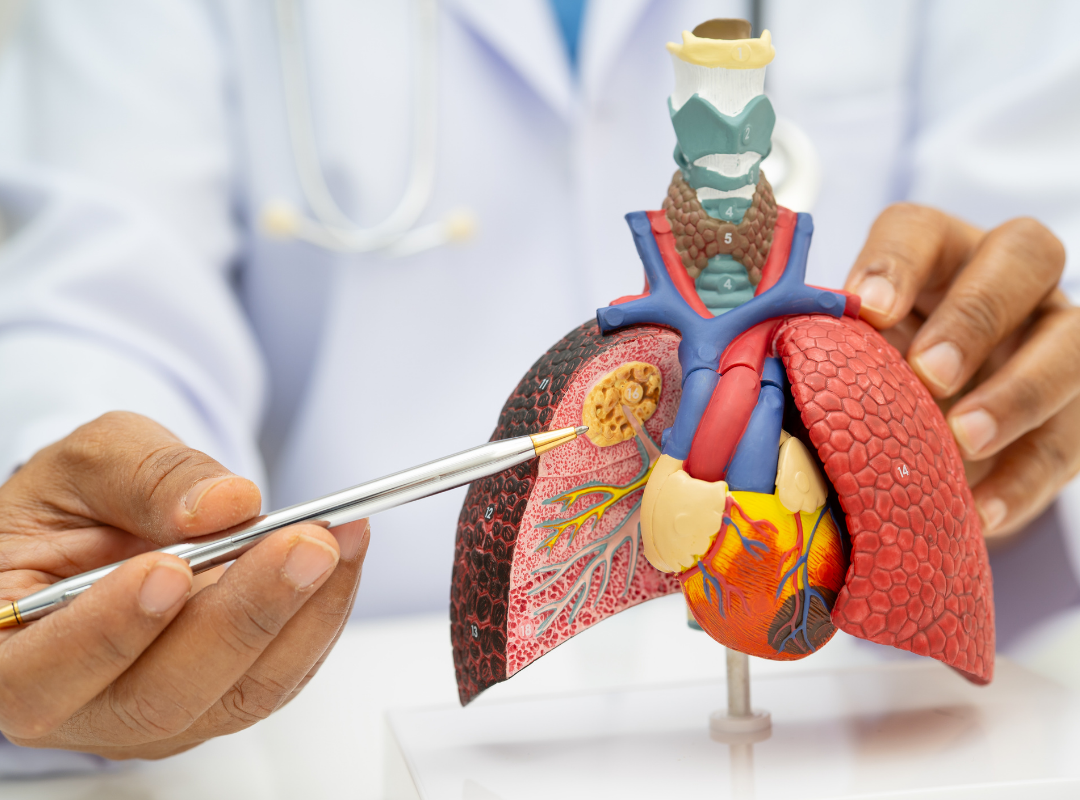
Pneumonia in seniors can become serious because symptoms may be subtle, existing health conditions may complicate recovery, and strength can decline quickly. Age alone does not determine survival. A person’s outlook also depends on the cause and severity of the infection, oxygen needs, overall health, treatment timing, and response to care.
Knowing what to watch for can help you act sooner and prepare for what comes next. Families often need clear guidance about symptoms, urgent warning signs, treatment, survival concerns, recovery time, and whether an older adult will need more help after leaving the hospital.
What Is Pneumonia in Seniors?
Pneumonia is a lung infection caused by bacteria, viruses, fungi, or other germs. It can inflame the air sacs in one or both lungs, making breathing harder and causing symptoms such as coughing, fatigue, chest discomfort, fever, or shortness of breath.
Some older adults develop community-acquired pneumonia after exposure in everyday settings. Others develop aspiration pneumonia when food, liquid, saliva, or vomit enters the lungs. Aspiration risk may be higher when a person has difficulty swallowing.
Age-related changes in immune defenses can make it harder for the body to fight infection. Chronic conditions such as heart disease, diabetes, or chronic obstructive pulmonary disease may also affect how severely a person becomes ill and how long recovery takes.
Why Pneumonia May Affect Older Adults Differently
Older adults do not always show the symptoms families expect. A high fever or strong cough may be absent. Confusion, low alertness, weakness, fatigue, reduced appetite, or difficulty completing familiar routines may be the first signs that something is wrong.
The CDC’s pneumonia guidance lists confusion, fatigue, cough, chest pain, fever or chills, and shortness of breath among possible symptoms. A sudden change from a person’s normal behavior or ability level deserves attention, even when the symptoms appear mild.
Early Symptoms of Pneumonia in Older Adults
Pneumonia symptoms in older adults may involve breathing changes, general illness, or an unexpected decline in everyday function. Families often notice that a loved one seems unusually tired, less interested in food, or unable to manage routines that were recently familiar.
Breathing and Chest Symptoms
Watch for changes such as:
- A persistent or worsening cough
- Shortness of breath or rapid breathing
- Chest discomfort when breathing or coughing
- Yellow, green, or blood-tinged mucus
- Fever, chills, or a lower-than-usual temperature
Subtle Changes Families May Notice
Some symptoms are easier to mistake for normal aging or tiredness. Sudden confusion, irritability, reduced alertness, weakness, poor appetite, or trouble walking may signal an illness that needs medical evaluation.
The pattern matters. One tired afternoon may not mean a person has pneumonia. A rapid or unexplained decline in eating, mobility, awareness, or independence is more concerning, especially when it appears alongside coughing or breathing changes.
When Pneumonia Symptoms Require Urgent Medical Attention
Severe breathing difficulty, sudden confusion, reduced responsiveness, or rapidly worsening symptoms require prompt medical attention. You should not wait for every typical symptom to appear before seeking help.
| What You Notice | Recommended Response |
| A persistent cough, fever, weakness, or reduced appetite | Contact the person’s healthcare provider for guidance |
| New confusion or a sudden decline in alertness | Seek prompt medical evaluation |
| Severe or rapidly worsening breathing difficulty | Seek urgent medical attention |
| Symptoms that continue to worsen during treatment | Contact the treating medical team promptly |
| Difficulty staying awake or responding normally | Seek emergency medical care |
Trust what you know about your loved one’s usual behavior and abilities. A sudden change can be meaningful even when the person cannot clearly describe how they feel.
How Pneumonia in Seniors Is Evaluated and Treated
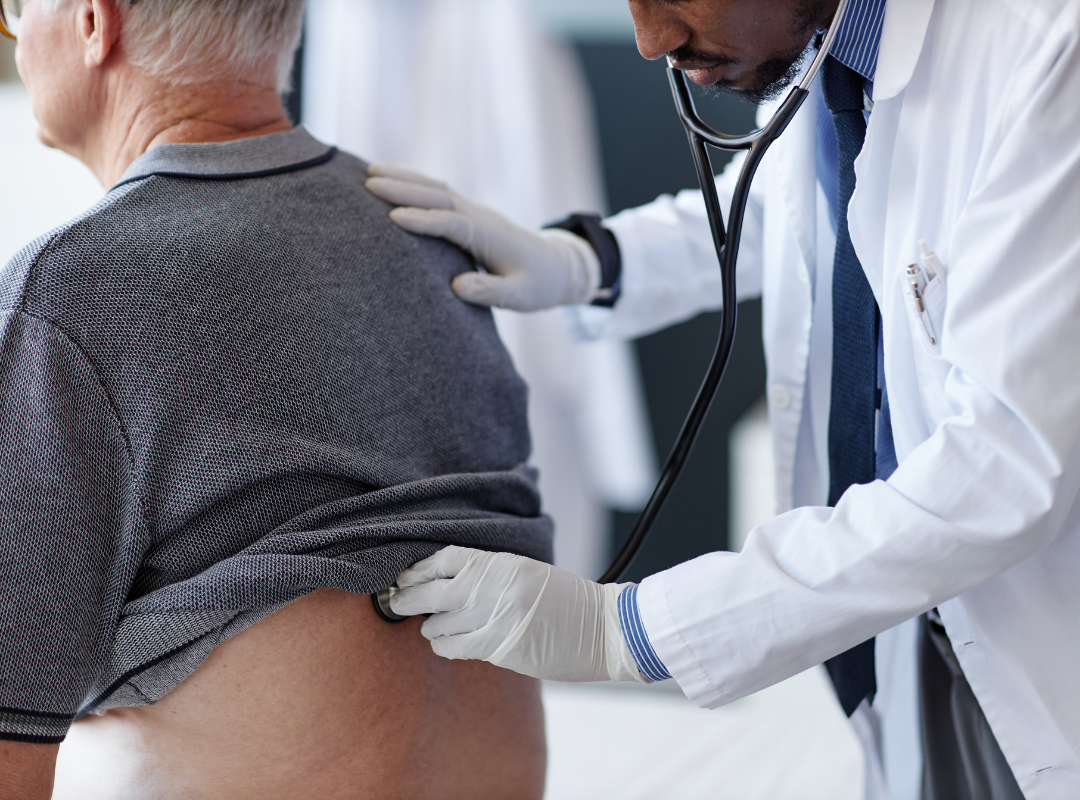
Treatment for pneumonia in seniors depends on the cause of the infection, symptom severity, overall health, and whether complications are present. A healthcare professional may evaluate breathing, oxygen levels, medical history, symptoms, and other findings before recommending care.
Treatment at Home
Some cases can be treated outside the hospital under a clinician’s direction. Care may include prescribed medication, hydration, rest, symptom monitoring, and follow-up appointments.
Antibiotics may be used for bacterial pneumonia, but they do not treat viral infections. Medication should be taken exactly as directed, and changes in symptoms should be discussed with the treating clinician.
When Hospital Care May Be Needed
Hospital care may be recommended when a person needs oxygen, intravenous fluids, intravenous medication, closer observation, or treatment for complications. Severe weakness, dehydration, low oxygen, confusion, or unstable health conditions may also affect the decision.
Recovery does not always happen in a straight line. Some people return to normal routines fairly quickly, while others need several weeks or longer to regain their strength and stamina.
What Influences Pneumonia Survival Rates in Older Adults?
There is no single elderly pneumonia survival rate that can predict what will happen to one person. Age matters, but prognosis also depends on infection severity, oxygen needs, existing health conditions, complications, and response to treatment.
People searching for the survival rate of an 80-year-old, 85-year-old, or 90-year-old with pneumonia are usually trying to understand how worried they should be. General percentages cannot answer that personal question. The treating medical team can give more useful guidance because they can see how the person is breathing, whether treatment is working, and whether other organs or health conditions are affected.
| Factor | Why It Matters |
| Overall health | Existing health concerns may affect the body’s ability to fight infection and regain strength |
| Lung and heart health | These systems influence breathing, circulation, and oxygen delivery |
| Infection severity | More serious infections may require hospital care and closer monitoring |
| Oxygen needs | Increasing oxygen support may indicate more severe illness |
| Nutrition and hydration | Poor intake can contribute to weakness and slow recovery |
| Mobility and daily function | A loss of strength may affect whether returning home is safe |
| Confusion or delirium | Sudden mental changes may signal a more serious illness |
| Response to treatment | Improvement or continued decline helps guide the medical team’s assessment |
Pneumonia remains a significant health concern in the United States. The CDC’s national pneumonia statistics recorded 41,627 pneumonia deaths across the country in 2024. This population-level figure does not provide an age-specific survival rate or predict one person’s outcome.
Survival Rate of an 80-, 85-, or 90-Year-Old With Pneumonia
An older person’s age is only one part of the prognosis. A healthy person in their 80s who receives early treatment may have a different outlook from someone of the same age who has advanced heart or lung disease, severe infection, dehydration, or very low oxygen.
Ask what changes the medical team is watching, whether the infection is responding to treatment, and what would indicate improvement or decline. These answers are more meaningful than an age-based survival percentage.
What Are the Stages or Signs of Worsening Pneumonia in the Elderly?
Pneumonia does not always progress through a fixed set of stages. Symptoms may improve with treatment, remain stable, or worsen depending on the infection and the person’s overall condition.
Signs the Condition May Be Becoming More Serious
Increasing breathing difficulty, greater oxygen needs, worsening confusion, reduced alertness, severe weakness, poor fluid intake, or a lack of improvement may point to more serious illness. Severe pneumonia can be life-threatening, particularly when it causes low oxygen, respiratory failure, sepsis, or other complications.
Report meaningful changes in breathing, strength, eating, drinking, or awareness promptly. These changes may provide the medical team with important information about how the person is responding to treatment.
Discussing Comfort-Focused Care
When pneumonia becomes severe, and treatment is not improving the person’s condition, families may need to discuss goals of care with the healthcare team. These conversations can include treatment options, expected outcomes, symptom relief, comfort, and the person’s preferences.
Comfort-focused care does not mean that a family is giving up. It means the care plan is being matched to the person’s condition, values, and quality-of-life priorities.
How Long Does Recovery From Pneumonia Take for Seniors?
Recovery from pneumonia in seniors may take several weeks or longer. The infection can improve before the person regains their usual strength, appetite, stamina, mobility, or ability to manage daily routines.
Fatigue may continue after coughing or fever has eased. A person who was independent before hospitalization may temporarily need help with meals, bathing, dressing, transportation, medication routines, or moving safely around the home.
Signs a Senior May Need More Recovery Support
Leaving the hospital does not always mean a person has returned to their previous level of independence. You may need to reassess the care plan when an older adult has trouble preparing meals, keeping appointments, moving safely, taking medications as directed, or completing personal routines.
Additional support may be helpful when these needs occur frequently, affect several parts of daily life, or cannot be managed reliably by the current family care plan.
Preventing Pneumonia and Supporting Respiratory Health
Pneumonia cannot always be prevented, but several steps may reduce risk and support general health. Older adults and families should discuss vaccination recommendations and individual risk factors with a qualified healthcare provider.
Regular handwashing can reduce germ transmission. Avoiding smoking and tobacco exposure helps protect lung health. Adequate nutrition, hydration, appropriate movement, and routine medical care can also support overall well-being and the management of chronic conditions.
The CDC recommends pneumococcal vaccination for adults aged 50 and older, as well as certain younger adults with increased risk. Pneumococcal vaccines help protect against pneumococcal disease, but they do not prevent every cause of pneumonia. A healthcare provider can review vaccine history and recommend the appropriate option.
Planning Support After Pneumonia
Some seniors return home after pneumonia with help from relatives or outside healthcare providers. Others may need a setting where assistance with daily routines is easier to coordinate.
Personal Care does not replace pneumonia treatment, rehabilitation, skilled nursing, or hospital care. It may be appropriate after medical needs have stabilized when a person still needs help with meals, housekeeping, laundry, transportation, mobility-related routines, or other daily responsibilities.
Families considering added support can ask:
- Can your loved one manage meals and hydration consistently?
- Can they bathe, dress, and move around safely?
- Can they follow medication and appointment schedules?
- Is transportation available for medical follow-ups?
- Can the current family care plan be sustained?
Franklin Court provides Personal Care in Quakertown, Pennsylvania. Its Personal Care services may support everyday routines after a person’s medical needs have stabilized. Relevant services and amenities include dining, weekly housekeeping and laundry, transportation assistance for medical appointments, and fitness classes focused on mobility, balance, flexibility, and strength.
The Franklin Court Care Assessment can help you organize the areas where your loved one may need additional daily support. Families can also read Caring for Aging Parents With Trusted Daily Tips for guidance on reviewing changing routines and creating a more dependable care plan.
Explore Personal Care Support After a Hospital Stay
Pneumonia recovery depends on more than age. Early medical attention, infection severity, treatment response, overall health, and the ability to resume everyday routines all shape what comes next. Paying attention to changes in strength, mobility, meals, alertness, and personal care can help your family identify where support is still needed.
Franklin Court can help you explore whether Personal Care fits your loved one’s needs after their medical care has stabilized. You may schedule a tour to see the community, contact the team with questions, or call 215-538-7050 to discuss the daily routines your family is working to support.
Frequently Asked Questions
How does pneumonia affect older adults differently from younger people?
Pneumonia may cause less obvious symptoms in older adults. A senior may develop confusion, weakness, reduced appetite, low alertness, or difficulty managing normal routines instead of a high fever. Existing heart, lung, or other health conditions may also make the infection harder to manage. Sudden changes should be discussed with a healthcare professional.
What factors influence pneumonia survival rates for adults in their 80s and 90s?
Survival depends on more than age. Doctors consider overall health, infection severity, oxygen needs, complications, nutrition, mobility, and response to treatment. A general elderly pneumonia survival rate cannot predict one person’s outcome. The treating medical team can provide guidance based on the person’s current condition and progress.
What are the possible stages or signs of worsening pneumonia in an older adult?
Pneumonia does not always follow predictable stages. Worsening signs may include increased breathing difficulty, greater oxygen needs, confusion, reduced alertness, severe weakness, poor fluid intake, or little response to treatment. These changes may indicate that the infection or its complications are becoming more serious. Contact the healthcare team promptly if symptoms worsen.
How is pneumonia in seniors typically evaluated and treated?
Pneumonia is evaluated according to symptoms, breathing, oxygen levels, overall health, and the suspected cause of infection. Treatment may include prescribed medication, hydration, rest, monitoring, or follow-up care. Bacterial pneumonia may be treated with antibiotics, while severe cases may require oxygen, intravenous fluids, or hospital care. The treatment plan should come from a qualified healthcare professional.
When do pneumonia symptoms in an older adult require urgent medical attention?
Urgent medical attention is needed for severe breathing difficulty, sudden confusion, reduced responsiveness, chest pain, rapidly worsening symptoms, or signs of low oxygen. A sudden decline in alertness, mobility, or ability to eat and drink may also be concerning. You should not wait for every typical pneumonia symptom to appear. Seek emergency care when symptoms are severe or the person appears to be in immediate danger.