215.538.7050
 Quakertown, PA


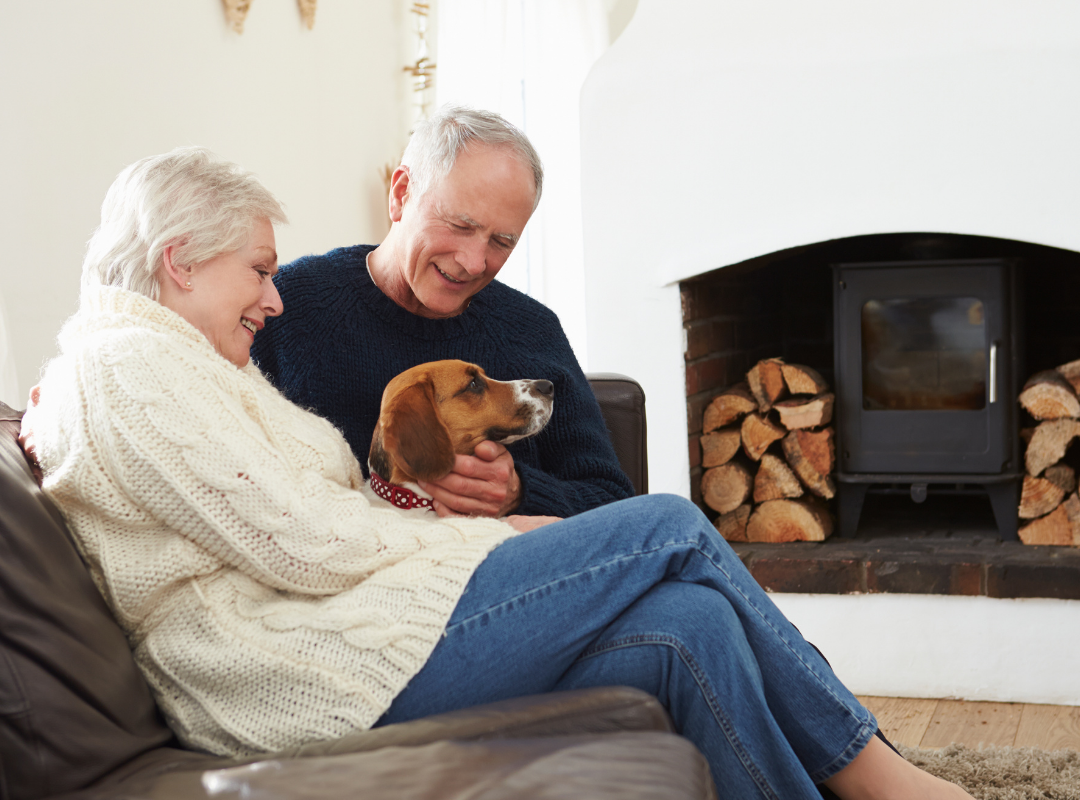
Pet friendly senior living allows residents to live with an approved companion animal while receiving the services available through the community. Since pet rules vary, you should confirm which animals are accepted, who handles daily care, where pets may go, and what backup arrangements are expected before choosing a new home.
For many older adults, a pet is part of the family and an important source of familiarity during a move. Franklin Court in Quakertown offers pet-friendly rooms within its Personal Care community. The following guidance can help you compare policies, assess your pet’s needs, and prepare for a smoother transition.
What Does Pet Friendly Senior Living Mean?
Pet-friendly senior living means a community permits residents to keep approved pets in their rooms under established guidelines. These guidelines may address the type or number of pets allowed, behavior expectations, veterinary records, shared spaces, daily responsibilities, and backup care.
A general statement that pets are welcome may not tell you whether your particular companion qualifies. Asking for the current written policy gives you a clearer picture of what daily life will involve and whether the arrangement will work for you, your pet, and other residents.
Pet-Friendly Housing Is Not the Same as Pet Care
Allowing a pet to live in your room does not automatically mean community staff will feed, walk, groom, clean up after, transport, or arrange veterinary care for the animal. Ask who must complete each task and whether you or a trusted family member can manage those responsibilities consistently.
You can also review the Personal Care offered at Franklin Court to understand how the community may support the resident’s needs.
Why Living With a Pet Can Make a New Community Feel More Like Home
A familiar pet can preserve an important part of your daily life during a major change. Feeding times, quiet companionship, and other regular routines may help a new room feel more personal while giving you a sense of continuity.
The bond many people share with their pets can shape major housing decisions. The American Veterinary Medical Association reported that 88.8% of dog owners and 84.7% of cat owners consider their pets members of the family. This close bond helps explain why keeping a companion nearby may matter so much during a move.
The broader community environment matters too. At Franklin Court, residents can take part in book clubs, trivia nights, educational talks, fitness classes, dining, and social time in shared community areas.
Questions to Ask Before Choosing Senior Living With Pets
The right questions can help you see whether a community is genuinely suitable for your pet. Ask for specific details during your first call or tour so you do not discover an important restriction late in the moving process.
Consider asking:
- Which types and numbers of pets are permitted?
- Are veterinary records or vaccinations required?
- Where may pets go within the community?
- Who handles feeding, exercise, grooming, and cleanup?
- What backup plan is needed if the resident cannot provide care?
You should also ask how the community handles noise, sanitation, allergies, and behavior that affects other residents. Clear expectations protect the pet owner while helping everyone share the environment comfortably.
Ask for Written Policies, Not Just a General “Yes”
A written policy lets you review the rules carefully with your family. It may also help you prepare records, supplies, daily routines, and backup care before moving day.
Pet health and hygiene remain important after the move. The Centers for Disease Control and Prevention advises pet owners to maintain regular veterinary care, appropriate vaccinations, parasite prevention, good hygiene, and handwashing after handling pet food, equipment, or waste. The CDC also notes that older adults face a greater risk of becoming ill from germs carried by animals.
Pet-Friendly Senior Living Comparison Checklist
Using the same checklist for every community can make your comparison clearer. Bring these questions to calls and tours so you can focus on the details that affect both the resident and the pet.
| Factor to Compare | What to Confirm | Why It Matters |
| Approved pets | Types, number, size, and other limits | Confirms whether your pet qualifies |
| Daily responsibilities | Feeding, exercise, grooming, and cleanup | Shows whether the routine is manageable |
| Required documents | Vaccinations and veterinary records | Helps you prepare before moving |
| Shared-space rules | Leashes, carriers, and restricted areas | Supports safety and consideration for others |
| Room suitability | Space, layout, doors, and access | Helps you judge your pet’s comfort |
| Behavior expectations | Noise, aggression, and house-training | Reduces the risk of future concerns |
| Backup care | A family member or designated caregiver | Prepares for an illness, appointment, or absence |
| Resident lifestyle | Care, dining, housekeeping, transportation, and activities | Keeps the resident’s full needs in view |
| Costs and agreements | Pet-related conditions or charges | Prevents unexpected obligations |
Use the completed table to identify any unanswered questions before making your final decision.
Is Your Pet Ready for a Senior Living Environment?
A community may welcome pets, but your companion still needs to be comfortable in the setting. Think about how the animal reacts to unfamiliar people, hallway activity, doors opening, new sounds, and changes in space or routine.
You should also consider whether the resident can safely handle the practical work involved. A pet’s food, leash, carrier, grooming, exercise, and cleanup needs can become difficult if balance, strength, or mobility changes.
Helpful questions include:
- Can the pet remain calm around unfamiliar people and activity?
- Is the pet reliably house-trained?
- Can the resident manage the pet safely each day?
- Can the current routine continue after the move?
- Is someone available when extra help is needed?
This is not about labeling a pet as good or difficult. It is about deciding whether the arrangement can remain comfortable, respectful, and realistic over time.
When a Backup Plan Becomes Essential
Choose someone who can step in during medical appointments, temporary absences, or changes in the resident’s abilities. That person should understand the pet’s feeding routine, supplies, behavior, veterinary needs, and any community rules.
Research involving professionals who work with older adults has found that pet care can influence health decisions, caregiving arrangements, and daily planning. Creating a backup plan early can reduce stress for the resident, family, and pet. (Read the peer-reviewed research)
Helping Your Pet Adjust After the Move
Pets often need time to understand a new home. Bring familiar bedding, bowls, toys, and other approved belongings. Keep meals, sleep, and exercise routines as steady as possible, then introduce unfamiliar spaces and people gradually.
Watch for meaningful changes in eating, sleeping, bathroom habits, or behavior. Contact your veterinarian when concerns arise. The American Veterinary Medical Association also recommends planning when transporting a dog or cat and using appropriate restraints or carriers during travel.
How the 3-3-3 Rule Can Guide Expectations
The 3-3-3 rule is a general framework for thinking about a pet’s adjustment. The first three days may involve decompression, the first three weeks may focus on learning routines, and the first three months may bring greater familiarity. The ASPCA describes it as a flexible adjustment guideline, not a guarantee that every pet will settle on the same schedule.
What About the 7-7-7 Rule for Dogs?
The 7-7-7 rule is an informal phrase without a standardized veterinary definition. Some sources use it to describe adjustment across seven days, seven weeks, and seven months, while others use it for puppy socialization checklists. Since the meaning varies, gradual introductions and attention to your dog’s behavior are more useful than following a strict timeline.
Looking Beyond the Pet Policy When Comparing Personal Care Near You
A pet policy is only one part of the decision. A stronger match supports the resident’s care needs, routines, preferred lifestyle, and relationship with the pet at the same time.
As you compare personal care near you, look at:
- The type of care available
- Dining, housekeeping, and laundry
- Transportation assistance
- Social and fitness opportunities
- The room and overall environment
You can explore Franklin Court’s community amenities to learn about its dining, weekly housekeeping and laundry, transportation assistance for medical appointments, community areas, activities, and central courtyard.
Families who are also comparing different care settings may find Personal Care Home vs Assisted Living: Care Choices Compared helpful. It explains how services, support, and living arrangements may differ.
If you are still unsure which type of support fits your situation, the Care Assessment can help you organize your needs and questions. Franklin Court’s Lifestyle Assessment can also help you consider the routines, activities, and environment you prefer.
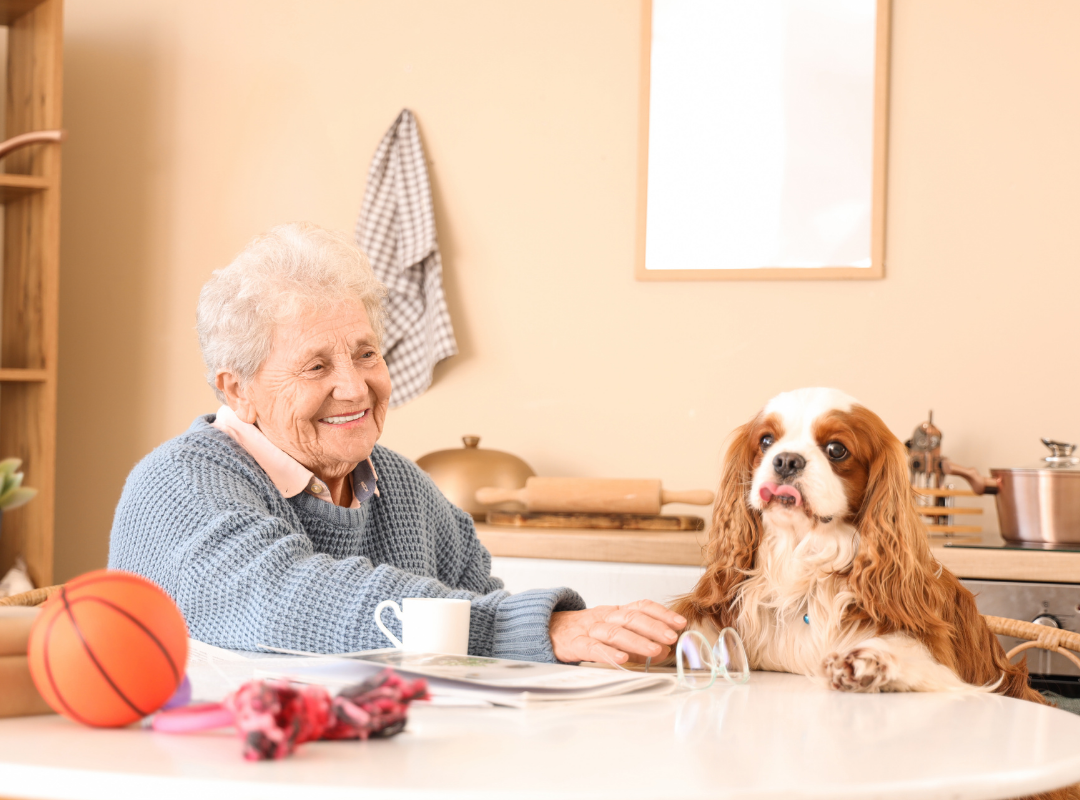
Pet-Friendly Personal Care at Franklin Court in Quakertown, PA
Franklin Court offers Personal Care and pet-friendly rooms at 1660 Park Ave. in Quakertown, Pennsylvania. Residents can enjoy dining, weekly housekeeping and laundry, transportation assistance for medical appointments, social areas, fitness classes, and peaceful views of the central courtyard.
A visit gives you an opportunity to see the surroundings, discuss Personal Care, and ask how current pet guidelines may affect your daily routine. Schedule a tour of Franklin Court, contact the community, or call 215-538-7050 to explore whether the setting feels right for both you and your companion.
Frequently Asked Questions
Do senior communities allow pets?
Many senior communities allow approved pets, but each community sets its own requirements. Rules may address the types or number of pets, veterinary records, behavior, shared spaces, and resident responsibilities. Ask for the current written policy before making a commitment. Franklin Court offers pet-friendly rooms, and families should contact the community for its current requirements.
What is the 3-3-3 rule for pets?
The 3-3-3 rule is a general guideline for understanding how a pet may adjust to a new home. The first three days may involve decompression, while the first three weeks may focus on learning new routines. By around three months, some pets may feel more familiar with their surroundings. Every animal adjusts differently, so the timeline is not a guarantee.
What is the 7-7-7 rule for dogs?
The 7-7-7 rule is an informal phrase without one universally accepted definition. Some people use it for adjustment stages at seven days, seven weeks, and seven months. Others use it for puppy socialization activities involving different people, environments, sounds, or surfaces. Treat either version as flexible guidance and pay close attention to your dog’s individual comfort and behavior.