215.538.7050
 Quakertown, PA




Bucks County senior centers may offer social events, fitness programs, educational activities, meals, and other ways for older adults to stay involved. Because schedules, participation requirements, accessibility, and services vary by location, comparing these details can help you find a center that fits your interests, routine, and level of support.
You may also be deciding between occasional community programs and a residential setting with daily support. Understanding the difference between a senior center and a Personal Care community can help you focus your search and choose a setting that better matches your current needs.
What Is a Senior Center?
A senior center is generally a community-based setting where older adults can participate in scheduled social, recreational, educational, wellness, and support programs. The Administration for Community Living explains that senior centers may connect older adults with services such as community education, health promotion, meals, transportation, and social activities.
You may also see terms such as senior activity center, senior citizens community center, older adult center, or elderly community center. Organizations may use these names differently, so the name alone does not tell you which programs, services, or participation rules are available.
Senior Centers and Personal Care Communities Are Different
Senior centers typically serve older adults who live elsewhere and visit for activities or scheduled services. A Personal Care community provides housing, daily support, amenities, meals, and activities within a residential environment.
Franklin Court is a Personal Care community in Quakertown, Pennsylvania. It is not a public Bucks County senior center. Its activities and amenities are available as part of residential community life, which is an important distinction when you are comparing local options.
What Activities May Be Available at Bucks County Senior Centers?
Activities at Bucks County senior centers may support social connection, movement, learning, creativity, and continued community participation. The exact programs depend on the individual center, available resources, and current calendar.
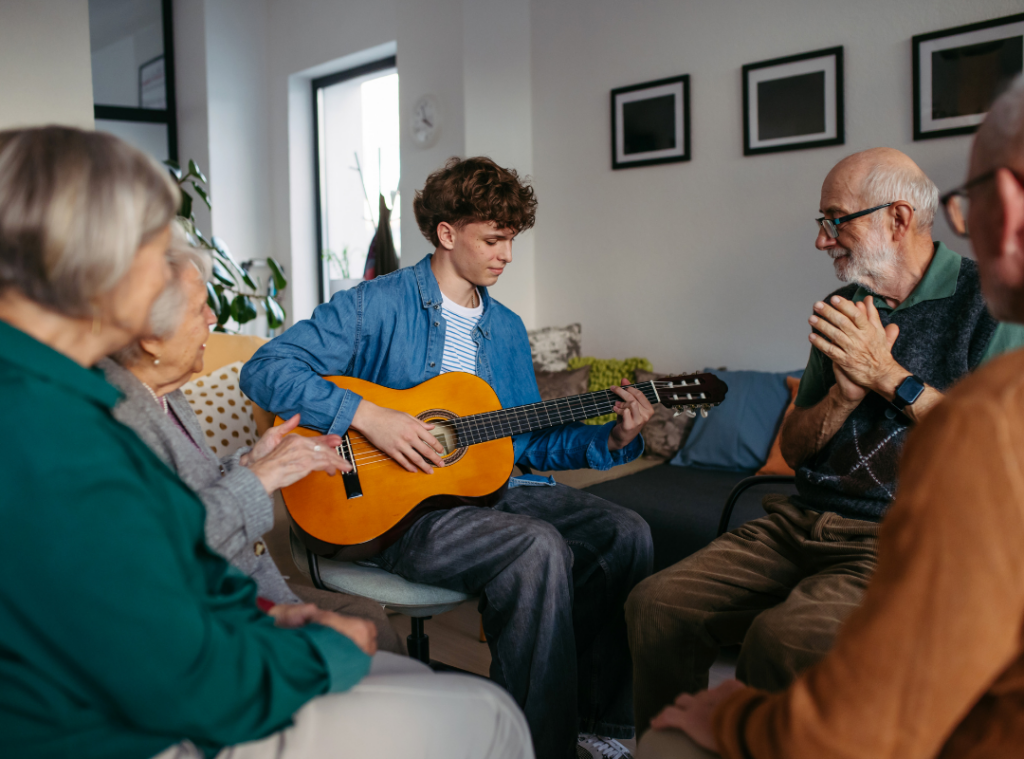
Possible offerings may include social gatherings, educational presentations, games, book discussions, creative programs, fitness classes, and community events. Some centers may also provide meals, transportation, benefit information, or referrals to other local services.
Movement-based programs can be especially helpful for older adults who want to maintain an active routine. The Centers for Disease Control and Prevention recommends that adults age 65 and older get at least 150 minutes of moderate-intensity aerobic activity each week, along with muscle-strengthening and balance activities. Your abilities and health needs are personal, so an appropriate routine may look different for each person.
Within its Personal Care setting, Franklin Court offers book clubs, trivia nights, educational speakers, and fitness classes focused on mobility, balance, flexibility, and strength. These opportunities are part of residential life and should not be viewed as a schedule for other senior centers nearby.
For more information about movement in a community setting, you can read Group Fitness Classes for Seniors: Strength for Daily Living.
How to Find Bucks County Senior Center Schedules, Calendars, and Events
The most reliable Bucks County senior center schedule usually comes directly from the individual center. Program times, registration requirements, and event availability may change, so confirm the details before planning a visit.
Look for the following information on an official website, activity calendar, or current program notice:
- Event dates, times, and locations
- Registration or membership requirements
- Transportation and accessibility details
- Program eligibility and guest policies
- Contact information for schedule confirmation
Questions to Ask Before Attending an Event
A calendar can tell you when an activity takes place, but it may not explain what you need to do before attending. Ask whether advance registration is required, who may participate, and whether the activity matches your mobility and comfort level.
You may also want to confirm whether transportation is available, whether meals or refreshments are included, and whether the event details have changed.
Who Can Participate in Senior Center Programs?
Participation requirements vary between senior citizens’ community centers. Some programs may be open to older adults throughout the community, while others may have age, residency, membership, registration, or capacity requirements.
Before attending, confirm:
- Minimum age or residency rules
- Membership or enrollment requirements
- Guest and caregiver policies
- Accessibility accommodations
- Program-specific registration
Transportation, meals, wellness programs, and special events may each have different eligibility or enrollment guidelines.
Senior Center or Personal Care: Which Setting Fits Your Needs?
A senior center may fit your needs when you primarily want scheduled activities and community involvement. Personal Care may be more appropriate when you want a residential setting that combines activities with meals, housekeeping, daily conveniences, and personal support.
| Consideration | Senior Center | Personal Care Community |
| Living arrangement | You generally live elsewhere and visit for programs | You live within the community |
| Main purpose | Scheduled social, educational, recreational, or support programs | Residential support, amenities, activities, and daily services |
| Availability | Programs may be offered only on certain days or times | Support and community life are part of the residential setting |
| Meals and housekeeping | Availability varies by center and program | May be included as part of community living |
| Personal support | Usually limited or program-specific | Personal Care support is available within the community |
| May suit you when | You mainly want activities and local participation | You want housing and daily support alongside activities |
A senior center may work well when you can travel to scheduled programs independently and mainly want activities or social connections. Personal Care may become more relevant when you regularly need meals, housekeeping, transportation assistance, or support within your living environment.
If you are unsure whether community activities are enough or whether daily assistance may be helpful, Franklin Court’s care assessment can help you think through your needs.

What to Compare When Choosing a Bucks County Senior Center
The best senior center for you is one that fits your interests, schedule, access needs, and preferred type of social environment. A long list of activities may sound appealing, but those activities only provide value when you can attend and feel comfortable participating.
Program Fit
Review the center’s current activities and consider which ones you would genuinely attend. A good fit may include familiar interests as well as new opportunities you feel comfortable exploring.
Schedule and Convenience
Check how often programs are offered and whether their times work with your routine. A center that is nearby may still be difficult to use regularly if its schedule does not match your availability.
Location and Transportation
Consider how you will get to and from the center. Review the travel distance, available transportation, parking, and ease of entering the building.
Accessibility
Look beyond the entrance. Consider hallways, seating, restrooms, activity spaces, hearing needs, and the physical demands of each program.
Social Environment
Some older adults enjoy busy group events, while others prefer smaller gatherings or quieter activities. Visiting the center can help you understand whether the atmosphere feels welcoming and comfortable.
Eligibility and Registration
Confirm age, residency, membership, and registration requirements before choosing a program. This helps you focus on options you can access and attend consistently.
A lifestyle assessment may also help you identify the daily environment, activities, and level of connection you value most.
When a Residential Community May Offer More Support
A residential Personal Care community may be worth exploring when you need more than scheduled activities. You may want regular access to meals, household support, transportation assistance, social opportunities, and personal support within one living environment.
Franklin Court provides Personal Care at 1660 Park Ave. in Quakertown. Relevant features include dining, weekly housekeeping and laundry, transportation assistance for medical appointments, community areas for socializing, and fitness classes focused on mobility, balance, flexibility, and strength. You can learn more about these features on the Franklin Court amenities page.
The National Institute on Aging explains that social isolation and loneliness can affect the physical, mental, cognitive, and emotional health of older adults. A living environment that makes regular connection and participation easier may help support a more engaged routine, depending on your needs and preferences.
Explore the Setting That Best Supports Your Next Step
Bucks County senior centers can provide valuable opportunities for activities, learning, and social connection, while Personal Care communities offer residential support alongside daily programs and amenities. Clarifying whether you need occasional community involvement or a more supportive living environment can make your search more focused and productive.
To see whether Franklin Court’s Personal Care setting matches your needs, you can Schedule a Tour to experience the community. You may also Contact Us with questions or Call Us at 215-538-7050 for a helpful conversation about your options.
Frequently Asked Questions
How can older adults find senior centers near them in Bucks County?
Older adults can find senior centers nearby by searching for local senior centers, senior activity centers, or older adult community programs. Review each center’s official information to confirm its location, hours, services, and eligibility requirements. You can also contact local aging-service organizations for help identifying community resources. Always verify current information directly with the center before visiting.
Where can families check Bucks County senior center schedules and calendars?
Families can usually find a Bucks County senior center calendar through the individual center’s official website, office, or program coordinator. Some centers may publish monthly schedules, while others share activity details by phone, email, or printed calendar. Confirm dates and registration requirements because programs may change. Ask whether transportation, meals, or accessibility arrangements need to be made in advance.
What types of events and activities may be available at a senior activity center?
A senior activity center may offer social events, educational presentations, games, fitness programs, book discussions, creative activities, and community gatherings. Some locations may also provide meals, transportation, wellness resources, or service referrals. Available programs differ between centers and may change throughout the year. Review the current schedule to find activities that match your interests and abilities.
Who can participate in programs at senior citizens’ community centers?
Participation depends on the rules of the individual senior citizens’ community center. Some activities may be open to older adults in the surrounding area, while others may require membership, residency, registration, or a minimum age. Guest and caregiver policies may also vary. Contact the center directly to confirm eligibility for the specific program you want to attend.
What should older adults consider when choosing a Bucks County senior center?
Older adults should compare activities, schedules, location, transportation, accessibility, participation rules, and the overall social environment. Consider whether the available programs match your interests and whether you can attend them consistently. You should also decide whether scheduled community activities provide enough support for your current needs. If you need housing, meals, household services, or personal assistance, comparing senior centers with Personal Care communities may be helpful.