215.538.7050
 Quakertown, PA


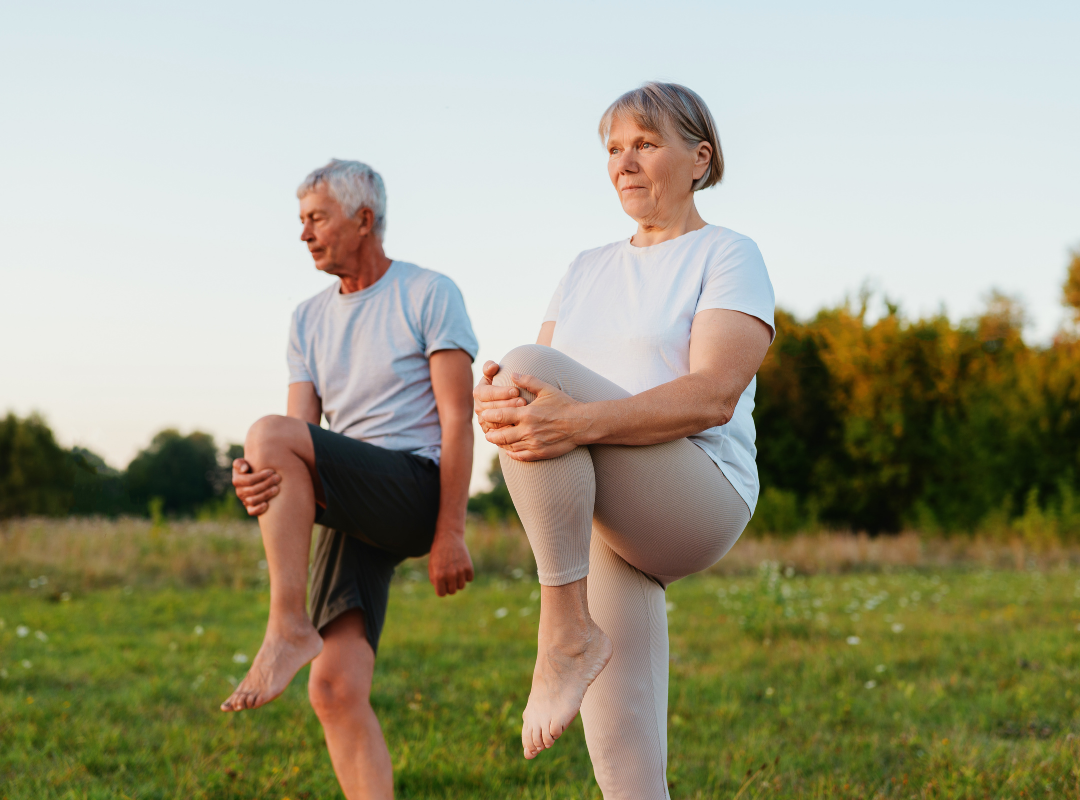
Staying active becomes increasingly essential as we age, particularly in maintaining mobility and confidence. Incorporating thigh exercises for seniors into your routine can help you keep your balance, reduce fall risks, and support overall independence. With gentle, low-impact movements, it’s easier than ever to build strength at home or with support from a community like Franklin Court.
This guide explores safe, practical movements, including bolded added keywords such as thigh exercises for seniors at home, leg strengthening exercises for seniors in bed, and leg strengthening exercises for seniors while sitting, so you can improve stability, strength, and quality of life. Let’s walk through the best ways to move safely and confidently every day.
Benefits of Thigh Strengthening for Seniors
Thigh strengthening plays a crucial role in helping older adults maintain mobility, independence, and daily comfort. When your thighs are strong, walking, climbing stairs, getting in and out of chairs, and moving around the home become easier and safer. These exercises also support better balance, reducing the likelihood of falls, a common concern for seniors.
Strong thighs also contribute to joint stability and support healthy posture. This not only enhances physical strength but also improves circulation and flexibility, thereby boosting long-term wellness. Participating in wellness services can also provide valuable guidance in maintaining leg strength as part of an overall care plan.
Essential Thigh Exercises for Seniors
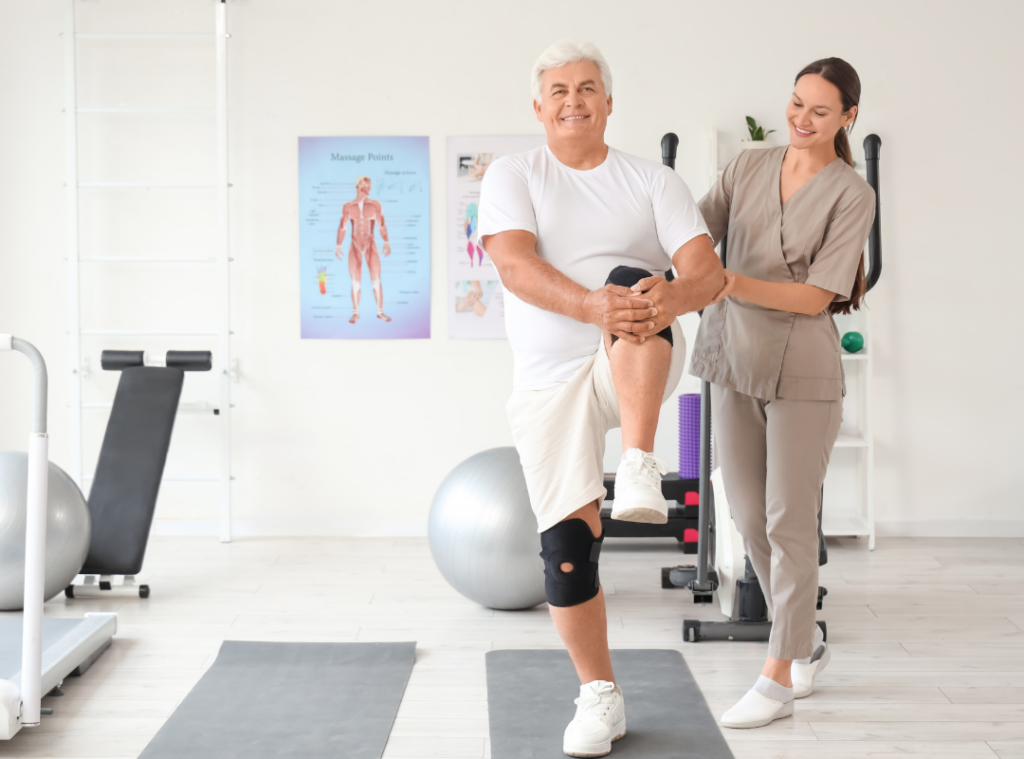
Many simple movements can help strengthen your legs without requiring special equipment. Whether you’re performing thigh exercises for seniors at home, walking in your community, or trying gentle movements in a group class, consistency is key. Chair squats, step-ups, calf raises, and leg raises are all excellent starting points.
These exercises help increase balance, reduce stiffness, and maintain joint health. You can find added motivation through engaging in resident activities, where movement and wellbeing are built into daily life.
Guidelines for Safe Exercise Practices
Before starting any new exercise routine, prioritize safety above all else. Beginning slowly, using support as needed, and listening to your body ensures a positive and safe experience. Taking breaks, practicing proper form, and selecting exercises suitable for your fitness level can help you feel confident and reduce the risk of injury. You can also explore different levels of care and support if you’d like added guidance.
Start Slowly and Gradually
Easing in gradually is the best way to get stronger without feeling overwhelmed. Consider these steps as you begin:
- Begin with short activity sessions and gradually increase the duration as your comfort level grows.
- Listen to your body and pause if you feel discomfort.
- Vary your movements to target different parts of the thighs, especially when practicing leg strengthening exercises for seniors while sitting, as they provide controlled, low-impact support.
Participating in community-based wellness programs at Franklin Court Senior Living can give you added encouragement and support.
Focus on Proper Form
Good form prevents injury and ensures each movement is effective. Follow these cues:
| Key Aspect | Description |
| Head Position | Keep your head aligned with your spine. |
| Shoulders | Relax, shoulders down and back. |
| Core Engagement | Activate your core to stay stable. |
| Knee Tracking | Knees should bend in line with your toes. |
| Foot Alignment | Keep feet shoulder-width apart for balance. |
Reviewing community care FAQs can help you better prepare for adjusting exercises to your needs.
Incorporate Regular Breaks
Short breaks help the body recover and maintain energy. Allow time to:
- Hydrate and rest every 10–15 minutes.
- Pause when experiencing discomfort or fatigue.
- Try light stretching during breaks to reduce stiffness and encourage flexibility.
Incorporating Thigh Exercises Into Your Daily Routine
Making exercise a regular part of your routine helps you stay active in the long term. Choose times of day when you feel strongest, and pair leg exercises with everyday activities, like standing up from a chair or brushing your teeth, to build consistency.
Daily Exercise Schedule
Here’s a simple daily plan you can follow at home:
- Morning: Begin with a set of step-ups or chair squats to activate your muscles.
- Midday: Perform leg strengthening exercises for seniors while sitting to keep your legs mobile and engaged.
- Evening: Cool down with gentle stretches or leg-strengthening exercises for seniors to help you wind down for a calming nighttime routine.
Safe Movement Techniques
Safety is key to preventing injury. These safe movement reminders can help:
| Technique | Safety Tip | How It Helps |
| Chair Squats | Use a sturdy chair for balance | Builds leg power safely |
| Leg Raises | Perform seated or in bed | Provides control and reduces strain |
| Step-Ups | Start with low steps | Boosts stability and confidence |
With regular practice, these moves help support independence and effectively strengthen your lower body.
Simple At-Home Options
You don’t need a gym to stay active. These gentle thigh exercises for seniors at home can easily be added to your daily routine:
- Chair Squats: Strengthen thighs and improve standing ability.
- Seated Leg Lifts: Great for balance and mobility.
- Calf Raises: Support ankle strength and stability.
By pairing these movements with everyday routines, staying active becomes rewarding and straightforward.
Nutrition Tips to Support Muscle Health
Exercise works best when paired with proper nutrition. Protein-rich foods, hydration, and balanced meals help support stronger muscles. Aim for lean proteins, whole grains, fruits, and vegetables.
You can also explore valuable resources like:
– National Institute on Aging – Exercise & Physical Activity
– CDC Healthy Aging
– Harvard Health – Strength Training for Seniors
These organizations offer valuable guidance on maintaining your body’s strength as you age.
Monitoring Progress and Adjusting Workouts
Tracking your progress helps you stay motivated. Keep a simple exercise journal, noting the number of repetitions, your comfort level, and any improvements over time. Adjust movements as needed to match your strength and mobility goals.
Importance of Balance and Stability Exercises
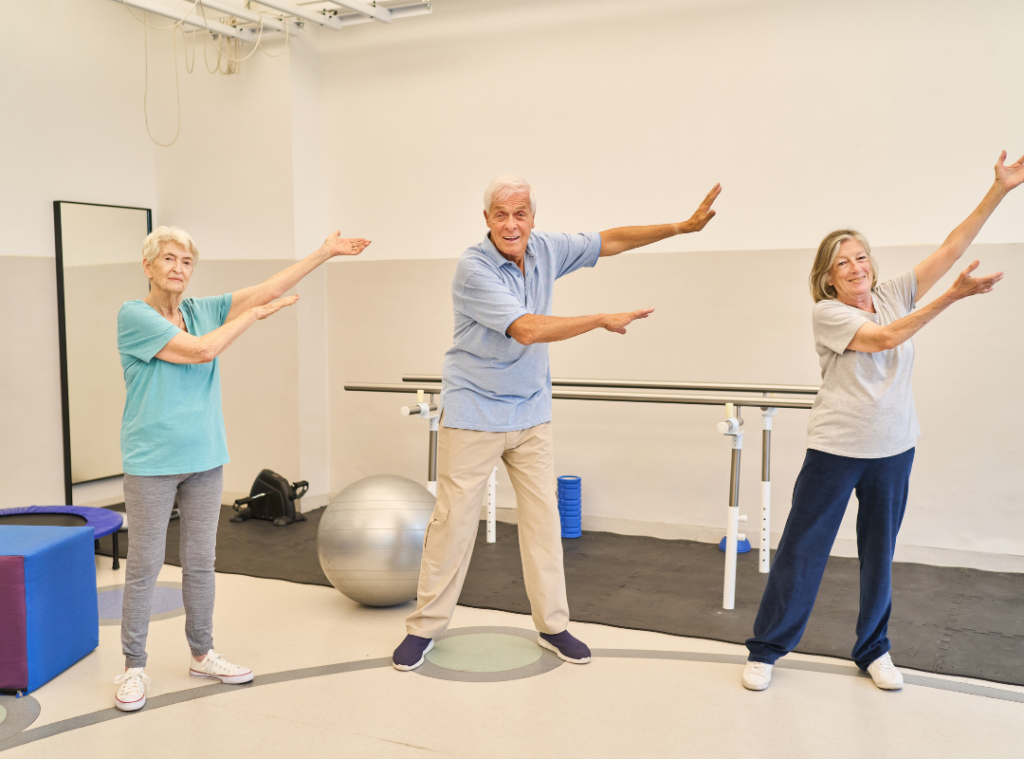
Beyond strengthening your thighs, adding balance exercises enhances safety and confidence. Try heel-to-toe walks, standing on one leg, or using a stability aid for support. These exercises help prevent falls and support better coordination.
Ready to Strengthen Your Legs? Call Franklin Court Today!
Your journey to better mobility starts with one simple step: movement. With thigh exercises for seniors, improved balance, and community support, you can enjoy a stronger, more independent lifestyle. For personalized support, guidance, or to learn more about life at Franklin Court, call 215-538-7050 or schedule a visit today.
Frequently Asked Questions
How can I tone my thighs after 60?
Toning your thighs after 60 is absolutely achievable with regular, low-impact exercises. Focus on movements like seated leg lifts, wall sits, step-ups, and side-leg raises, which help strengthen muscles without stressing the joints. Adding light resistance bands can also increase muscle activation safely. Pairing these exercises with short daily walks can further improve tone and circulation.
What is the most effective thigh workout?
The most effective thigh workout includes a combination of strength, balance, and mobility exercises. Squats, modified lunges, and leg presses can effectively target both the quadriceps and hamstrings. For seniors, chair-assisted versions offer extra stability. Consistency is key, and performing these exercises three to four times a week can lead to noticeable results over time.
How to strengthen your legs at 70?
Strengthening your legs at 70 involves choosing safe, joint-friendly exercises. Chair squats, calf raises, and seated marches are excellent options that build stability and muscle strength. Using resistance bands can add gentle intensity without requiring heavy weights. Regular practice improves balance, mobility, and confidence during everyday activities.
Which is the best leg exerciser for seniors?
The best leg exerciser for seniors is one that supports mobility, strengthens muscles, and is easy to use. Pedal exercisers and mini ellipticals are popular because they allow low-impact movement while sitting. Resistance bands are also versatile and practical for building leg strength. Ultimately, the ideal choice depends on comfort level, fitness goals, and any mobility limitations.