215.538.7050
 Quakertown, PA


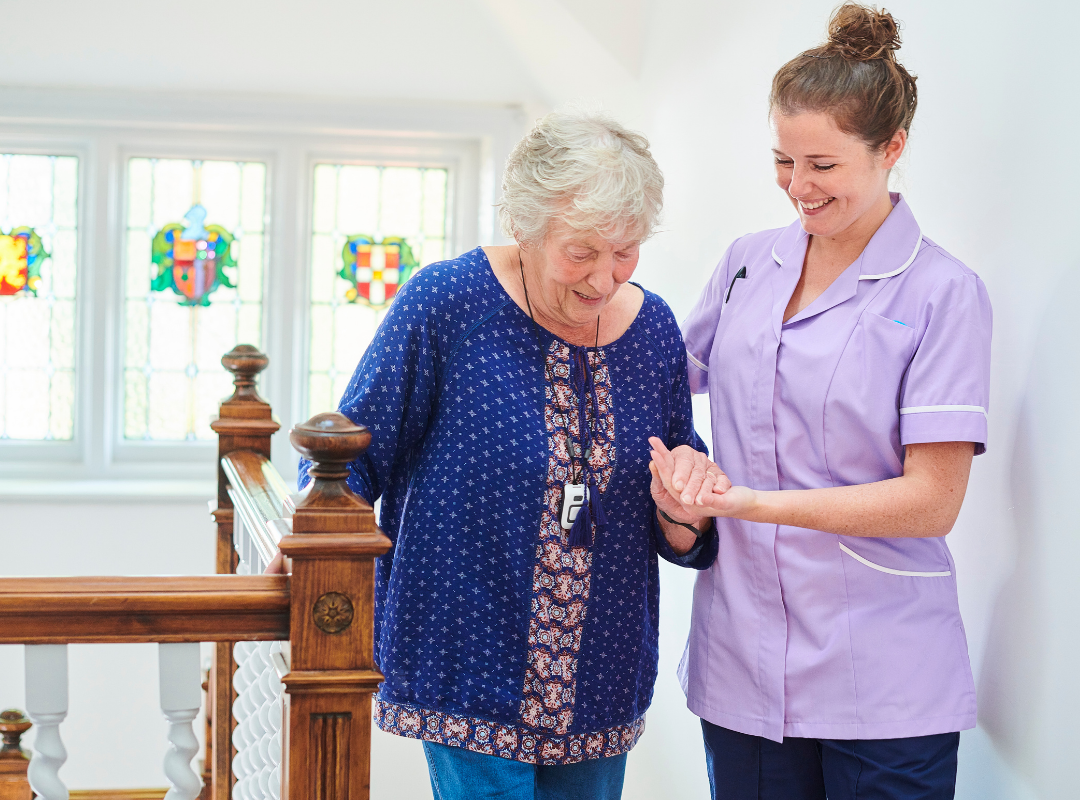
When comparing a personal care home vs nursing home, the most important question is not which setting is better. It is which type of care matches the person’s current needs.
In Pennsylvania, personal care homes provide residential support, supervision, and assistance with personal care and daily living for people who do not need nursing-home or medical care. Nursing homes provide 24-hour, long-term nursing care and can also provide short-term rehabilitation following surgery or a hospital stay. Pennsylvania Department of Human Services guidance on Personal Care Homes and Pennsylvania Department of Health guidance on nursing homes provide the state-level distinction.
That difference gives families a practical starting point when deciding between personal care and nursing-home care.
Key Takeaway
A personal care home may be a better fit when someone needs regular help with everyday activities, supervision, and a supportive residential environment but does not need 24-hour nursing care.
A nursing home may be more appropriate when someone needs ongoing nursing care or rehabilitation that goes beyond the type of daily support a personal care home is designed to provide.
The right choice depends on the person’s actual care needs, not simply their age or the name of the setting.
What Is a Personal Care Home?
A personal care home is a residential setting for people who need assistance with daily living but do not need the level of care provided by a nursing facility.
Pennsylvania’s Department of Human Services explains that personal care homes can provide housing, meals, supervision, and assistance with tasks such as bathing, personal hygiene, eating, walking, transferring, toileting, medication assistance, laundry, and transportation. Available services vary by facility and by a resident’s individual needs.
For families, the key point is that personal care focuses on daily support within a residential setting. It is not the same type of care as a nursing home.
At Franklin Court, families can explore the community’s Personal Care and Levels of Care to learn more about the support available.
What Is a Nursing Home?
A nursing home is designed for people who require a higher level of ongoing nursing care.
The Pennsylvania Department of Health describes nursing homes as providing 24-hour, long-term nursing care as well as short-term rehabilitation following surgery or a hospital stay.
That means a nursing home is not simply a residential setting with more assistance. Its role includes nursing and rehabilitation services for people whose needs require that level of care.
When families compare a personal care home vs nursing home, an important question is not just, “How much help does this person need?” It is also, “What type of help does this person need?”
Personal Care Home vs Nursing Home: Key Differences
| Care Factor | Personal Care Home | Nursing Home |
| Primary purpose | Residential support and assistance with daily living | 24-hour nursing care and rehabilitation |
| Daily assistance | May include help with bathing, hygiene, eating, mobility, toileting, and other daily tasks | May include daily assistance as part of a broader nursing-care plan |
| Nursing care | Not designed to provide nursing-home-level care | Provides 24-hour nursing care |
| Rehabilitation | Not the primary purpose | May provide short-term rehabilitation after surgery or a hospital stay |
| Living environment | Residential community setting | Nursing-care setting with clinical services |
| Main question for families | Does the person need regular help with daily routines? | Does the person require ongoing nursing care or rehabilitation? |
| What to confirm | Available services, support, staffing, and how needs are assessed | Nursing services, rehabilitation, care requirements, and admission criteria |
This comparison is a starting point rather than a substitute for an individual assessment. Services vary between providers, and care needs can change over time.
When Might Personal Care Be a Better Fit?
Personal care may be worth considering when an older adult can no longer manage certain daily responsibilities independently but does not need 24-hour nursing care.
For example, a person may need regular assistance with:
- Bathing and personal hygiene
- Dressing and other routine personal tasks
- Eating or meal-related needs
- Walking or transferring
- Toileting
- Medication assistance
- Laundry and household routines
- Transportation
- Social and recreational activities
Pennsylvania DHS identifies many of these activities as services that personal care homes may assist with.
The practical question is what becomes difficult on an ordinary day. If the main challenges involve personal care, routine tasks, supervision, household responsibilities, or managing at home, a personal care setting may be worth exploring.
Families should also ask each community exactly what services it provides because available support can differ between homes.
When Might Nursing-Home Care Be More Appropriate?
Nursing-home care may be more appropriate when a person’s needs require 24-hour nursing care or rehabilitation services.
This can include situations where the central need is no longer simply help with daily routines, but ongoing nursing support or rehabilitation following a significant medical event.
Pennsylvania specifically identifies both long-term nursing care and short-term rehabilitation following surgery or a hospital stay as nursing-home services.
A person may therefore need nursing-home care temporarily rather than as a permanent living arrangement. The appropriate setting depends on the person’s circumstances and the level of care their healthcare team determines is needed.
Families should avoid making the decision based on labels alone. A professional assessment can help clarify whether the person’s needs can be appropriately met in a personal care setting or whether nursing-home care should be considered.
What Should Families Compare Before Choosing?
Once you understand the difference between personal care and nursing-home care, compare the options according to the person’s actual needs.
1. What Help Is Needed Each Day?
Make a list of the tasks that are becoming difficult. Include bathing, dressing, eating, mobility, toileting, medication routines, and household responsibilities.
A specific list makes it easier to explain the situation to providers and ask whether their services match those needs.
2. Does the Person Need Nursing Care?
This is one of the most important distinctions.
Personal care homes are residential settings and are not medical facilities. Pennsylvania DHS explains that personal care homes do not have to employ nurses or other medical staff. Nursing homes, by comparison, provide 24-hour nursing care. The state’s Personal Care Home FAQ provides additional guidance on the distinction.
If ongoing nursing care is central to the person’s needs, a nursing home may be necessary.
3. Is Rehabilitation Part of the Need?
If the person is recovering from surgery or a hospital stay and needs rehabilitation, ask specifically what type of setting and services are appropriate.
Short-term rehabilitation is one of the services Pennsylvania identifies for nursing homes.
4. What Does the Specific Community Provide?
Do not assume every personal care home offers the same services.
Ask about daily assistance, medication support, meals, housekeeping, laundry, transportation, activities, staffing, and how the community handles changes in a resident’s needs.
At Franklin Court, families can review the community’s Personal Care and Levels of Care to understand the care setting and available support.
5. How Are Changing Needs Handled?
Care needs are not always static. Ask what happens if the person’s mobility, personal-care needs, or need for clinical support changes.
This can help your family understand whether the setting is likely to remain appropriate and when another level of care may need to be considered.

Can Someone Move From Personal Care to a Higher Level of Care?
A person’s care setting may need to change if their needs become more intensive.
Moving from personal care to nursing-home care is not an automatic progression. Some people may remain appropriate for personal care for a long time, while others may experience a change in health or function that requires a different level of support.
The important step is to reassess the person’s needs rather than waiting until the situation becomes urgent.
If your family is exploring Personal Care in Quakertown, a Care Assessment can help organize the person’s daily support needs and provide a starting point for discussing care options.
A Practical Checklist for Families
Before choosing between personal care and nursing-home care, write down the answers to these questions:
- Which daily activities does the person need help with?
- How much supervision is needed during a typical day?
- Does the person require ongoing nursing care?
- Is rehabilitation needed after surgery or a hospital stay?
- What services does each setting provide?
- How does each provider assess changing care needs?
- What questions should the family ask about staffing and available support?
- Can the setting appropriately meet the person’s current care needs?
Using the same questions for each provider can make comparisons clearer and help your family focus on care needs rather than amenities or labels.
Personal Care Home vs Nursing Home: Choosing the Right Fit
The difference between a personal care home vs nursing home comes primarily down to the type and level of support a person needs.
A personal care home is centered on residential support, supervision, and assistance with daily living for people who do not need nursing-home-level care. A nursing home provides 24-hour nursing care and may also provide rehabilitation following surgery or a hospital stay.
If your family is considering Personal Care in Quakertown, you can explore Franklin Court’s Personal Care and Levels of Care to learn more about the community’s current care offerings.
If assisted living is also part of your research, Franklin Court has a separate guide explaining Personal Care vs. Assisted Living.
If you are still organizing your loved one’s needs, start with a Franklin Court Care Assessment. If Franklin Court appears to be a potential fit, you can also schedule a tour to ask questions and see the community.
Frequently Asked Questions
What Is the Difference Between a Personal Care Home and a Nursing Home?
A personal care home is a residential setting that provides housing, supervision, and assistance with personal care and daily living for people who do not need nursing-home-level care. A nursing home provides 24-hour nursing care and may also provide short-term rehabilitation after surgery or a hospital stay.
What Type of Daily Support Is Typically Associated With Personal Care?
Personal care homes may assist with everyday activities such as bathing, personal hygiene, eating, walking, transferring, toileting, medication assistance, laundry, and transportation. The exact services vary by home, so families should ask each provider what support is available.
When Might Someone Need the Higher Level of Medical Care Available in a Nursing Home?
A nursing home may be appropriate when a person requires 24-hour nursing care or rehabilitation services that go beyond the support available in a personal care setting. A healthcare professional can help determine the appropriate level of care for the person’s individual needs.
What Should Families Compare When Deciding Between Personal Care and a Nursing Home?
Families should compare the person’s daily support needs, nursing care needs, rehabilitation needs, available services, staffing, living environment, and how each setting handles changes in care needs. The goal is to find a setting that can appropriately meet the person’s current needs.
Can a Person Move From Personal Care to a Higher Level of Care if Their Needs Change?
Care needs can change, and a different setting may become appropriate if those needs intensify. Families should ask providers how changing needs are assessed and what happens if the current setting can no longer provide the appropriate level of support.