215.538.7050
 Quakertown, PA


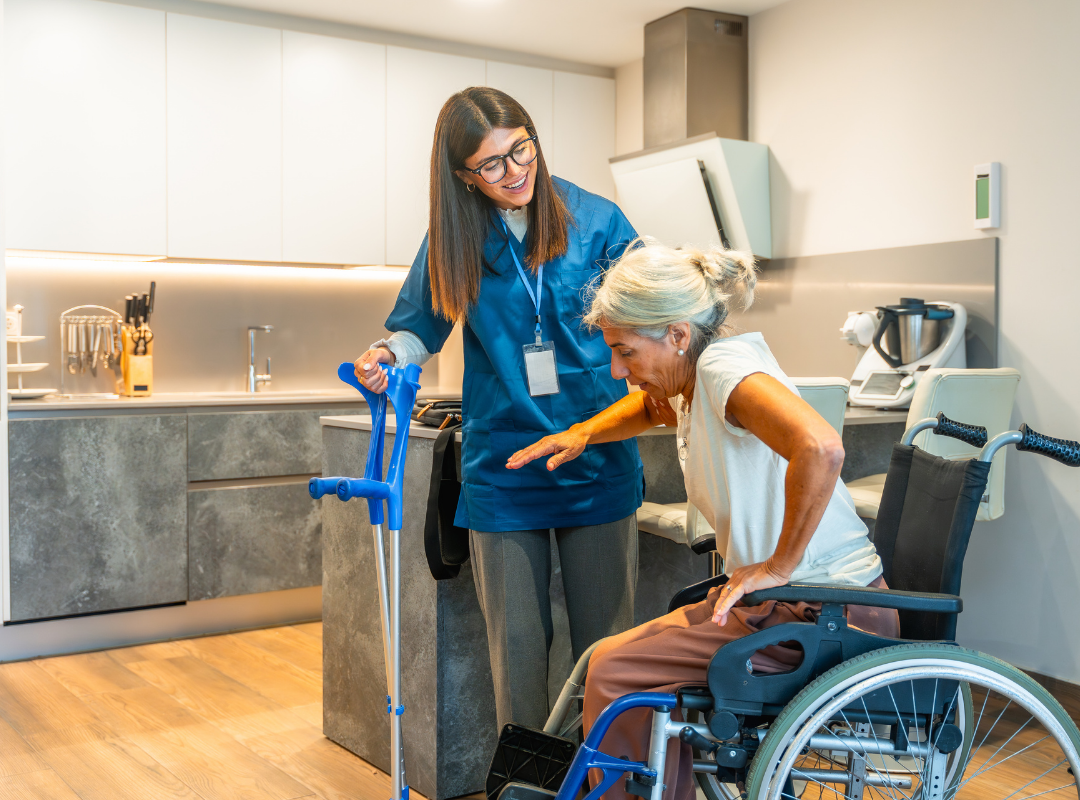
Searching for personal care near me means looking for dependable support with everyday routines that have become difficult to manage alone. Personal care may be provided in someone’s current home or within a residential community, so the right choice depends on the person’s needs, preferred setting, daily responsibilities, and desired lifestyle.
For families near Quakertown, Franklin Court offers Personal Care in a community setting. Understanding how personal care works, what different care arrangements provide, and which questions to ask can help you choose an option that feels appropriate for both present needs and future plans.
What Does Personal Care Mean for an Older Adult?
Personal care is support with everyday activities that help a person manage daily life. Activities of daily living may include bathing, dressing, grooming, eating, using the bathroom, and moving from one place to another. The exact support provided depends on the caregiver, provider, and care setting.
The term can describe help delivered in an older adult’s current home or support available within a residential Personal Care community. These arrangements may share a goal of helping with daily routines, but the living experience is different. One brings assistance into the person’s home, while the other combines housing, services, amenities, and opportunities for community life.
Personal Care Is More Than a Location
Distance matters, especially when family members want to remain involved. Yet the closest option may not always provide the right daily experience. You also need to consider the available support, living environment, household responsibilities, social opportunities, and how well the setting fits the older adult’s preferences.
What Does a Personal Care Person Do?
A personal care person helps an older adult with everyday routines that have become difficult to complete independently. The person’s duties depend on the provider, care plan, work setting, and the type of assistance needed.
Caregivers may be family members, friends, neighbors, or paid professionals. Before choosing a provider, ask for a clear explanation of:
- Which daily tasks receive support
- How assistance is planned and scheduled
- Who provides the support
- How changing needs are reviewed
- Which services are included
Clear answers matter because the term “personal care” does not guarantee that every provider offers the same assistance. A family looking for a few scheduled visits may need a different arrangement from someone who wants daily support connected to housing, dining, housekeeping, and social opportunities. The National Institute on Aging’s caregiving guidance can also help families understand common caregiving responsibilities.
Personal Care at Home and Personal Care Facilities Are Not the Same
Personal care at home brings assistance into an older adult’s current residence. A personal care facility provides support within a residential community where living space, available services, amenities, and daily routines are connected.
Neither arrangement is automatically right for everyone. The better fit depends on how much responsibility the person and family want to continue managing, how support will be scheduled, and what kind of daily setting the older adult prefers.
| Comparison factor | Personal care at home | Residential Personal Care |
| Living setting | The older adult remains in their current home | The older adult lives in a community |
| Support model | Assistance is delivered through scheduled visits or arranged caregiving | Personal Care is part of the residential experience |
| Household responsibilities | The senior or family may continue coordinating home upkeep, meals, laundry, and other needs | Available community services may reduce selected daily responsibilities |
| Social opportunities | Depend on existing routines and outside activities | May include shared spaces and planned programs |
| Dining | Meals remain part of the household routine or require separate arrangements | Dining may be included in community life |
| Transportation | Usually requires family help or separate planning | Transportation may be available through the community |
| Questions to ask | Ask about hours, scheduling, duties, and caregiver consistency | Ask about support, services, amenities, pricing, routines, and the living environment |
Families may need to arrange different providers for personal care, meals, housekeeping, laundry, and transportation when those needs are not covered through one service. The National Institute on Aging recommends researching services for older adults living at home carefully before signing an agreement.
When Might a Senior Benefit From More Daily Support?
More support may be worth exploring when several parts of everyday life are becoming harder to manage consistently. One missed household task may not signal a need for change. A pattern of growing responsibilities can affect the older adult’s routine and place more coordination on family members.
You may notice that:
- Housekeeping, laundry, or home upkeep takes more energy
- Meal routines have become difficult to manage consistently
- Medical appointments require more transportation planning
- Opportunities for regular social connection have decreased
- Family members are providing more help than they can sustain
The Administration for Community Living reported that about 28% of adults age 65 and older who lived in the community lived alone in 2023. Living alone does not mean someone needs residential care, but it can influence how meals, household needs, transportation, and social contact are managed.
Look at how these concerns work together and how they affect everyday life. Franklin Court’s Care Assessment can help you organize your observations and consider which level of support may fit the current situation.
How to Compare Personal Care Facilities Near You
A useful comparison should cover five areas: support, setting, services, social life, and next steps. This framework helps you look beyond distance or a list of features and picture what daily life may actually feel like.
Support
Ask what Personal Care means at each community, which routines can receive assistance, and how needs are reviewed. Make sure the explanation is specific enough for you to understand what is and is not available.
Setting
During a visit, notice whether the community feels clean, welcoming, and easy to move through. Look at private living areas, shared spaces, noise levels, and places where a resident could spend time alone or with others.
Services
Review the services that shape an ordinary week, such as dining, housekeeping, laundry, transportation, utilities, and community upkeep. A service has practical value when it reduces a responsibility that has become difficult for the resident or family.
Social Life
Consider whether the available activities match the older adult’s interests and preferred pace. Some people enjoy group programs and shared meals, while others value quiet spaces and the freedom to choose when they participate.
Next Steps
Ask how the community begins its assessment process, what the starting price covers, whether additional charges may apply, and how any one-time fees are explained. Families often focus on a service checklist, but whether the person feels respected and at ease in the setting can matter just as much.

Personal Care and Assisted Living Services: What Should Families Clarify?
Personal Care and assisted living services may sound similar, but providers and locations may use these terms differently. A service name alone does not tell you exactly what support, residential services, or amenities are included.
Ask each provider what its terminology means, which services are available, how changes in needs are handled, and how costs are presented. These questions help prevent assumptions based on labels. For a closer look at the differences, read Personal Care Home vs Assisted Living: Care Choices Compared.
What Daily Living Can Include at Franklin Court
Franklin Court offers Personal Care at 1660 Park Ave. in Quakertown, Pennsylvania. Its available services can reduce selected household responsibilities while giving residents access to dining, shared spaces, activities, and other features within one community setting.
Weekly housekeeping and laundry, community upkeep and cleaning, utilities, dining, and transportation assistance for medical appointments can make everyday planning more manageable. Complimentary WiFi, in-room cable, and a telephone hookup can help residents stay informed, enjoy entertainment, and keep in touch with family and friends.
Daily life also includes choices for connection and personal interests. Residents may take part in book clubs, trivia nights, educational speakers, self-reflection and improvement opportunities, and fitness classes focused on mobility, balance, flexibility, and strength. Community areas offer space for socializing, while the central courtyard provides serene views. Pet-friendly rooms and an on-site salon and barber can also support familiar routines and personal preferences.
You can explore more of Franklin Court’s community amenities to see how its services and lifestyle features fit together.
Understanding the Cost and Value of Personal Care
Personal Care at Franklin Court starts at $3,250. A one-time, non-refundable community fee equal to one month’s rent and care fee also applies. Because a starting amount may not represent every person’s complete arrangement, ask what is included and how care-related charges are determined.
A meaningful comparison should account for the full living situation, not only the starting figure. Consider housing, dining, utilities, weekly housekeeping and laundry, transportation assistance for medical appointments, community upkeep, activities, and shared spaces alongside the responsibilities currently managed at home.
Families comparing in-home support should also understand that Medicare’s home health benefit generally does not cover personal or custodial care when help with daily living activities is the only service needed. This distinction can help families ask clearer questions about how in-home services may be arranged and paid for.
Use Franklin Court’s Cost Comparison to organize the services, household responsibilities, and lifestyle features connected with each option.
See Whether Personal Care in Quakertown Fits Your Next Step
Finding personal care near you involves more than choosing the shortest drive. The right decision should reflect the older adult’s daily needs, preferred environment, social interests, household responsibilities, and the clarity of the provider’s answers.
A visit can help you see how Franklin Court’s Personal Care, dining, activities, community spaces, and daily services come together. Schedule a tour to explore the community in person, contact the team with questions, or call 215-538-7050 to discuss what your family is looking for.
Frequently Asked Questions
What are the four types of caregivers?
There is no single universally accepted list of four caregiver types. One practical way to group them by employment or care setting is family caregivers, independent caregivers, agency caregivers, and caregivers who work in residential communities. Family caregivers usually provide unpaid support, while the other categories generally describe paid caregivers working independently, through an agency, or within a community. Titles, training, duties, and supervision can vary, so ask each provider for a clear explanation of the caregiver’s role.
What does a personal care person do?
A personal care person helps with everyday routines that an older adult may find difficult to manage alone. Assistance may involve daily living activities, but the exact duties depend on the provider and care setting. Support delivered through scheduled home visits may differ from support available in a residential community. Ask how assistance is planned, who provides it, and how the plan changes as needs develop.
What should I look for when searching for personal care near me?
Look at the support model, living environment, available services, transportation, dining, household assistance, social opportunities, and pricing structure. Ask what Personal Care means at each provider because services can differ even when the same term is used. Consider how much coordination will remain with the senior or family. An in-person visit can help you judge whether a residential setting feels appropriate.
How are personal care facilities different from in-home care?
In-home care brings scheduled assistance into the person’s current residence. A personal care facility combines a residential setting with available support, services, amenities, and community life. At home, families may need to coordinate household tasks and other services separately. The right arrangement depends on the older adult’s needs, preferred environment, and the responsibilities the family wants help managing.